Tag: Cupcakes and Tea with Elizabeth

  • When Everything Becomes “Toxic”: A Little Perspective on Modern Relationships

    When Everything Becomes “Toxic”: A Little Perspective on Modern Relationships

    Lately, it feels like everyone is talking about “toxic” behavior — from friendships and relationships to online interactions. And honestly, at first, I thought this wave of awareness was going to bring some much-needed change. I even wrote a piece not too long ago about recognizing harmful relationships and protecting your peace.

    But recently, I’ve noticed something new. It seems like the word toxic has started to lose its meaning. Suddenly, any disagreement or minor frustration is being labeled as toxic — when sometimes, it’s really just a misunderstanding or a lack of communication.

    Let me give you an example.
    If I called up my best friend to vent about how my fiancé never seems to buy coffee, I could easily spiral into labeling that behavior as unfair or even toxic. But if I’m honest with myself, I’ve never actually told him how I feel about it. Maybe he doesn’t even realize it’s bothering me. Maybe he’s covering other expenses I haven’t thought about. Before I label the situation, I owe it to us both to communicate.

    And that’s the thing — calling everything toxic can stop us from doing the hard, but necessary, work of understanding and growing with the people we love.


    💭 What Actually Makes a Relationship Toxic

    Now, that doesn’t mean true toxicity doesn’t exist — it absolutely does. There are patterns of behavior that cross the line and can chip away at your peace and self-worth.

    Here are a few examples of what toxic behavior can look like:

    ✨ They continuously ignore or dismiss important issues that matter to you.
    ✨ They use personal things you’ve shared against you later.
    ✨ They intentionally do something hurtful, then twist it to make you the problem.
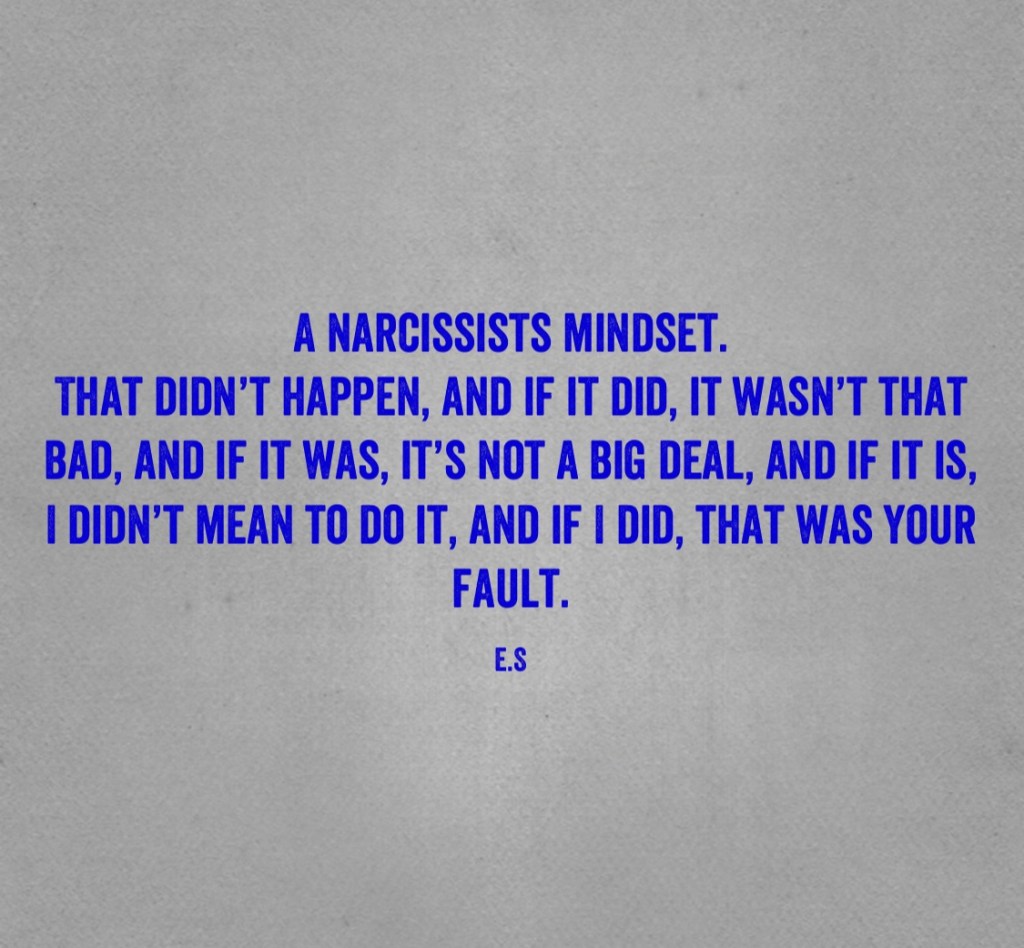
    ✨ They never take accountability — it’s always your fault.
    ✨ They show little empathy, yet expect endless compassion from others.
    ✨ They can’t stand being told they’re wrong.
    ✨ Their apologies feel fake, condescending, or manipulative.
    ✨ When you express your feelings, they lash out and blame you for “starting drama.”

    None of us are perfect — we all have moments where we’re selfish, defensive, or just not our best selves. But there’s a huge difference between someone who listens, reflects, and wants to grow versus someone who refuses to take responsibility.

    For instance, if your partner needs time to cool off before having a hard conversation, that can be healthy. But if they constantly delay or avoid the talk because they don’t care or don’t value your needs, that’s when it becomes toxic.


    🔥 The Candle Example
    There’s a viral video that perfectly sums up a dynamic known as reactive abuse — when the real aggressor provokes someone, then plays the victim once the other person reacts.

    In the clip, a little girl smugly blows out her sister’s birthday candles. Naturally, the younger sister gets upset — and guess who gets scolded? The little sister. It’s a lighthearted example, sure, but it highlights something real: the way manipulative behavior can shift blame and make the person reacting look like the problem.


    At the end of the day, communication is everything. If something doesn’t feel right, don’t brush it aside. Talk it out, set boundaries, and trust your intuition. Healthy relationships — whether romantic, platonic, or family — are built on empathy, accountability, and effort from both sides.

    It’s okay to call out truly harmful behavior, but let’s also leave space for growth, grace, and understanding. Because not everything that’s uncomfortable is toxic — sometimes it’s just human.


    Follow Me

    Get new content delivered directly to your inbox.


  • ❄️ Chilling Out at Stockholm’s Famous ICEBAR

    ❄️ Chilling Out at Stockholm’s Famous ICEBAR

    There’s just something magical about travel, isn’t there? The thrill of exploring somewhere new, the little surprises tucked into every street corner, and that first sip of a local drink you’ll dream about for years to come. ✈️ I’ve been daydreaming about my next adventure, but until then, I’ve been reminiscing about one of my coolest (literally!) travel experiences — visiting the ICEBAR in Stockholm!

    Sweden stole my heart for so many reasons, but one of the highlights had to be how easy it was to get around. The Stockholm public transportation system is a traveler’s dream — clean, efficient, and super easy to navigate. My friends and I hopped on the metro and followed the map right to Hotel C Stockholm, where the ICEBAR is located. And let me tell you, getting there felt like part of the adventure! If you ever need a hand, the station attendants are kind and helpful, and in my experience, Swedes are some of the friendliest people — especially when you ask with a smile.

    Walking into the hotel, you’ll see signs leading you down a hallway to the bar. That’s where the magic begins. Don’t worry — they’ve got you covered (literally!) with warm coats and gloves before you step inside. Everything, and I mean everything, is made of ice — the walls, the chairs, the glasses, even the bar itself! It’s like walking straight into a frozen fairytale. I chickened out on sitting in the icy “Game of Thrones” throne (I’m from Iowa, but I still have my cold limits! 😂), but I did snap some seriously fun photos.

    Now let’s talk about the drinks. I tried a vodka and elderberry syrup cocktail, and I’m not exaggerating when I say it made my Top 3 Drinks of All Time list. It was crisp, slightly sweet, and the perfect contrast to the chilly atmosphere. I could’ve easily stayed there all night — if not for the freezing temps, of course.

    If you ever find yourself in Stockholm, do yourself a favor and stop by the ICEBAR. It’s such a unique, bucket-list-worthy experience. Whether you go for the photos, the cocktails, or just the novelty of sipping from a glass made of ice, it’s an adventure you won’t forget. I’m already counting down the days until I can go back!

    Have you ever been to the ICEBAR or something like it? I’d love to hear your experience in the comments below — let’s share some cozy travel stories together. 💙


  • TLC’s I Love a Mama’s Boy: A Wild Ride I Wasn’t Ready For

    TLC’s I Love a Mama’s Boy: A Wild Ride I Wasn’t Ready For

    Wow — where do I even begin? As a longtime fan of TLC (yes, I’m one of those people who plans my Sunday nights around 90 Day Fiancé), I was curious when I Love a Mama’s Boy premiered. It falls right between 90 Day Fiancé and Pillow Talk, taking over that prime slot once held by Smothered and Unexpected. And let me tell you — those shows suddenly seem tame after this one!

    From the very first episode, I was both fascinated and slightly horrified. The dynamic between these mothers and sons is… intense. Many of the moms seem genuinely unaware of how unhealthy their attachments have become, and I found myself thinking, maybe therapy wouldn’t be such a bad idea here. Meanwhile, the girlfriends and fiancées? My heart truly goes out to them. The emotional tug-of-war they face would test anyone’s patience!

    It’s wild watching how differently these men treat their partners versus their mothers. There’s this strange mix of aloofness and blind devotion that honestly makes me want to yell at the screen — in the best, most reality-TV-loving way possible.

    By the halfway mark, I was squirming in my seat. Some moments were so cringe-worthy, I had to change the channel for a breather (and maybe pour another glass of wine). But as uncomfortable as it gets, I Love a Mama’s Boy is addictive in that classic TLC way — messy, dramatic, and impossible to look away from.

    Whew, baby. I can’t imagine being in those women’s shoes! I truly hope everyone involved finds some balance, therapy, and maybe just a little healthy distance.

    Have you watched I Love a Mama’s Boy yet? It’s definitely not your average love story — and I’d love to know what you think. Would you stick around for the drama, or run for the hills?


  • Book Review: We’re Going to Need More Wine by Gabrielle Union

    Book Review: We’re Going to Need More Wine by Gabrielle Union

    Book Review: We’re Going to Need More Wine by Gabrielle Union

    When my cousin handed me We’re Going to Need More Wine by Gabrielle Union, she said, “Elizabeth! I was listening to her in an interview, and I thought — THAT’S ELIZABETH!” And honestly, I’ll take that compliment any day. Because, let’s be real — Gabrielle Union is amazing.

    I don’t usually reach for celebrity memoirs, but I’m so glad I gave this one a chance. Gabrielle’s voice is raw, funny, and refreshingly honest. She dives into everything — from navigating Hollywood and love to confronting the pain of sexual assault and unpacking her experience with Blackness and identity. Her stories are layered, deeply human, and often hit closer to home than expected.

    There was one passage that stopped me in my tracks. Gabrielle describes how, after her assault, she began timing every part of her life — how long she’d stay somewhere, when she’d leave, even how she’d move through public spaces — to minimize the chance that something bad could happen.

    “Timing became the most important thing in my life. I timed everything I did to try to reduce the space for something else to happen to me… That’s how my brain began to function.” — Page 101

    I remember rereading that paragraph over and over again. It was like someone finally put words to something I had silently lived for years. I even ran to my boyfriend’s game room mid-read, yelling, “She gets it! She understands!” Then called my friend Maggie just to say the same thing.

    For the first time, I felt seen. I didn’t have to explain the hyper-awareness, the constant mental clock, the exhaustion of just being. Gabrielle had already done it — and done it with grace, humor, and courage.

    Her essays reminded me how healing it is to read someone else’s truth — especially when it mirrors your own. She doesn’t shy away from difficult conversations about race, colorism, trauma, and womanhood. Yet somehow, she balances it all with wit and heart.

    We’re Going to Need More Wine isn’t just a memoir — it’s a conversation between friends. It’s the kind of book you sip through slowly, dog-ear, highlight, and carry with you long after the last page. Whether you’re a memoir lover or just looking for something honest, funny, and healing — this one’s a must-read.


    📚 Cupcakes & Tea with Elizabeth Rating: ★★★★★

    Raw. Relatable. Absolutely unforgettable.


  • Recognizing Manipulation and Narcissistic Behavior (and Protect Your Peace)

    Recognizing Manipulation and Narcissistic Behavior (and Protect Your Peace)

    I’ve been thinking a lot lately about how easy it is for manipulation to sneak into our lives — sometimes through relationships, friendships, or even at work. It doesn’t always start with obvious red flags. Sometimes it’s subtle — a guilt trip here, a twisted story there — until one day you realize something feels off.

    Let’s start with what manipulation actually means.

    Manipulate (verb):
    To manage or influence skillfully, especially in an unfair manner — like manipulating someone’s feelings.

    Pretty straightforward, right? But when you see it play out in real life, it can be messy and confusing.


    When Manipulation Turns Toxic

    Manipulative people tend to act with their own interests in mind. They might hurt you intentionally, then pretend nothing happened. They may even gather harmless bits of information from you — only to use it later when it benefits them.

    At its worst, this behavior can overlap with traits of Narcissistic Personality Disorder (NPD) — which often includes:

    • An inflated sense of self-importance
    • A deep need for attention or admiration
    • A lack of empathy for others
    • Difficulty maintaining healthy relationships

    What’s tough is that people who manipulate rarely feel genuine remorse. They might say they do, but their actions usually tell a different story. If you call them out, they’ll often deflect, deny, or make it seem like you’re the one at fault.


    The Emotional “Gotcha” Game

    Have you ever had someone deliberately push your buttons, just to get a reaction?
    That’s exactly what manipulators want — an emotional “aha!” moment. They’ll poke at your insecurities or twist your words until you snap, then say things like:

    “See, I knew you were overreacting.”
    “You’re always so dramatic.”

    Sound familiar? It’s a classic move to shift blame and make you doubt yourself. But here’s the truth — your reaction is valid. Their behavior is what caused it, not you. The best way to handle it? Stay calm, breathe, and don’t let them drag you into their chaos.


    Listen to Your Gut

    Your intuition is powerful. If you feel uneasy around someone or constantly second-guess yourself, that’s not “overthinking” — that’s awareness. Trust it.

    Manipulators often start off charming and attentive, giving you all the validation you could want. Then, little by little, they pull away — leaving you wondering what changed. That emotional whiplash keeps you hooked, trying to get back to the version of them that doesn’t really exist.

    You don’t owe anyone endless chances or explanations. Protect your energy. If something feels off, it probably is.

    Believe it! Trust your intuition.

    Examples of Manipulative Behavior

    Manipulative or narcissistic individuals may:

    • Intentionally hurt you, then act like nothing happened.
    • Use your words or vulnerabilities against you later.
    • Twist facts or shift blame with phrases like “That’s up to you, believe what you want.”
    • Refuse to take responsibility, making you feel like the problem.
    • Withdraw affection or attention to keep you chasing their approval.

    These patterns are emotionally exhausting — and you don’t have to tolerate them. Awareness is the first step toward protecting yourself and building healthier relationships.


    Final Thoughts

    No one is perfect. We all have moments where we act selfishly or fail to communicate clearly. The difference lies in whether someone is willing to listen, learn, and grow — or whether they keep repeating the same harmful patterns.

    The key takeaway? Stay aware. Trust your gut. Set boundaries.
    And remember — manipulation says far more about them than it ever does about you.