Tag: Equality

  • How to Support the Black Lives Matter Movement: Simple, Real Ways to Help

    How to Support the Black Lives Matter Movement: Simple, Real Ways to Help

    If you’ve been feeling unsure about how to support the Black Lives Matter movement, you’re not alone. A few of my friends reached out to ask what they could do, so I wanted to put together something heartfelt and practical — something that can be shared and referenced as you continue learning and taking action.

    Supporting change doesn’t happen overnight, but every small step matters. Here’s how you can get started:


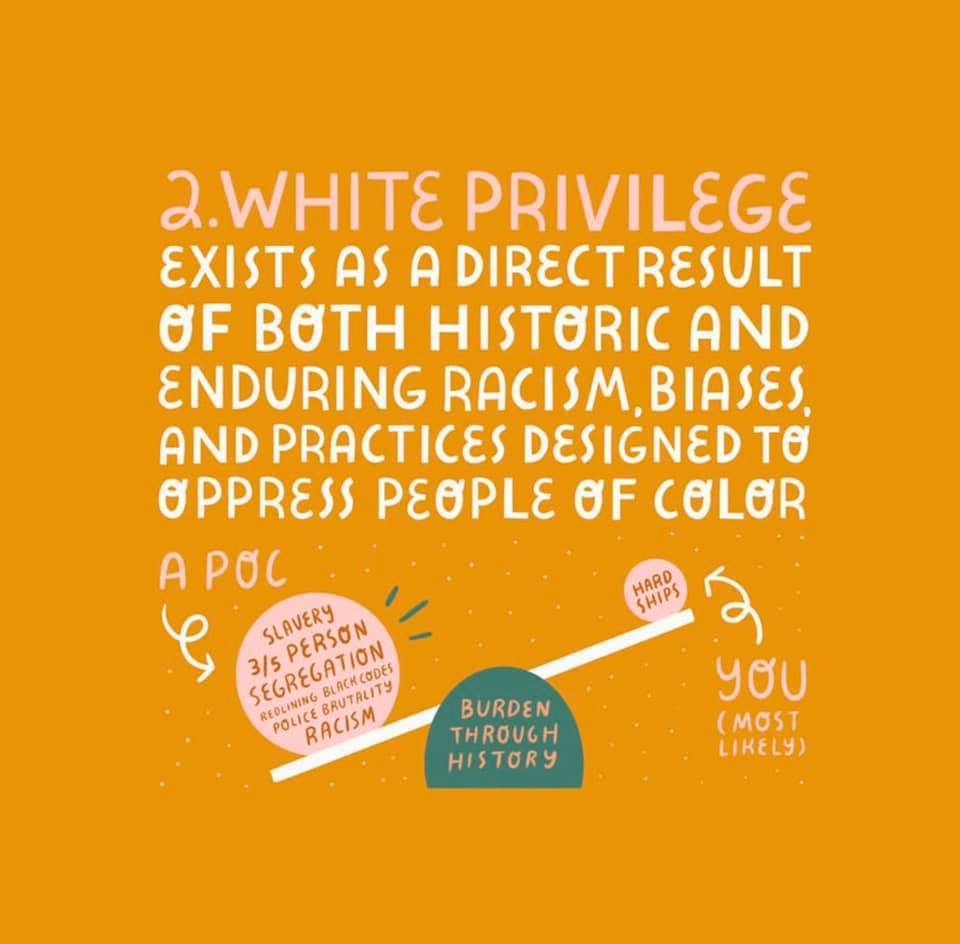
    1. Educate Yourself

    This is where it begins — with awareness, reflection, and a willingness to grow.
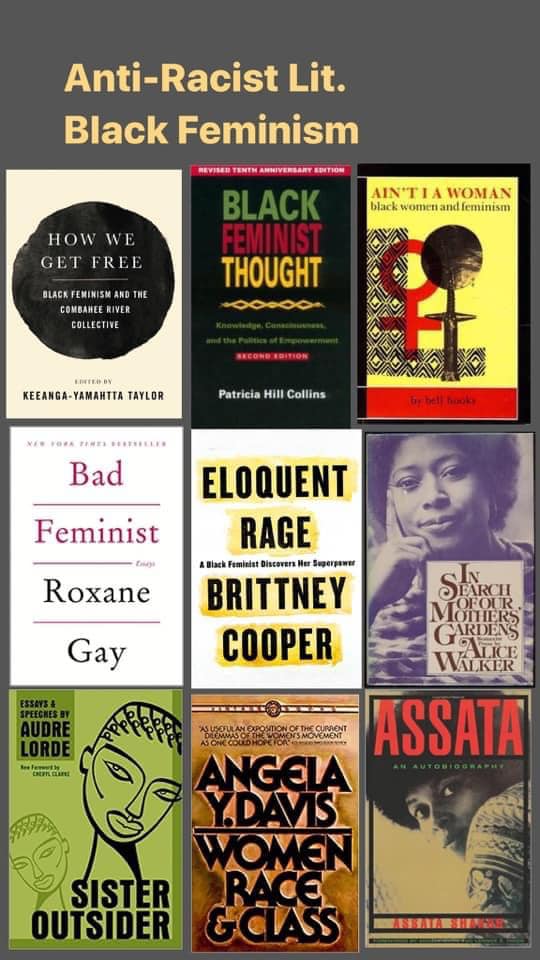
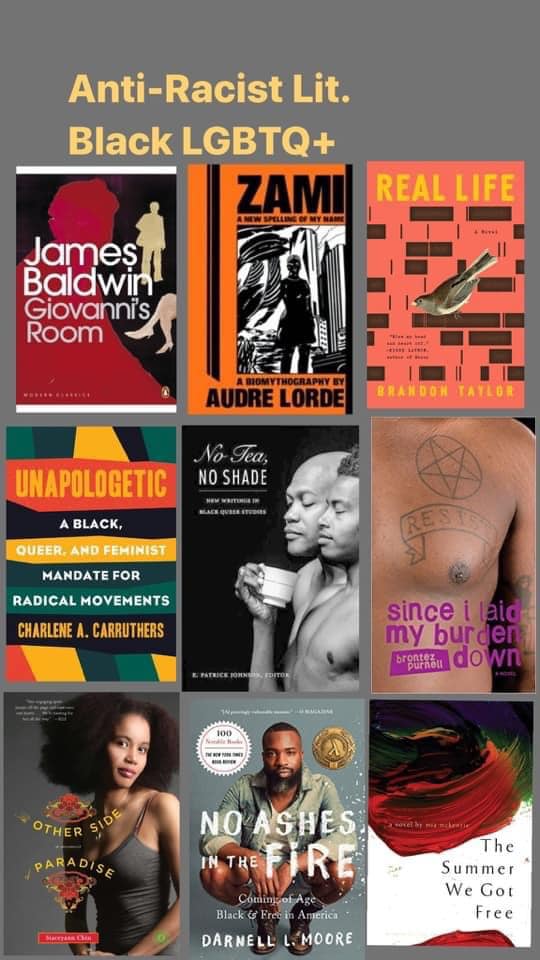
    Take the time to read, listen, and unlearn. It’s perfectly okay to ask questions, but remember, it’s not your Black friends’ responsibility to teach you. Growth is a personal journey, and it’s okay if you realize that your past beliefs or assumptions weren’t right. What matters is what you do now.

    Here are some great resources to start with:


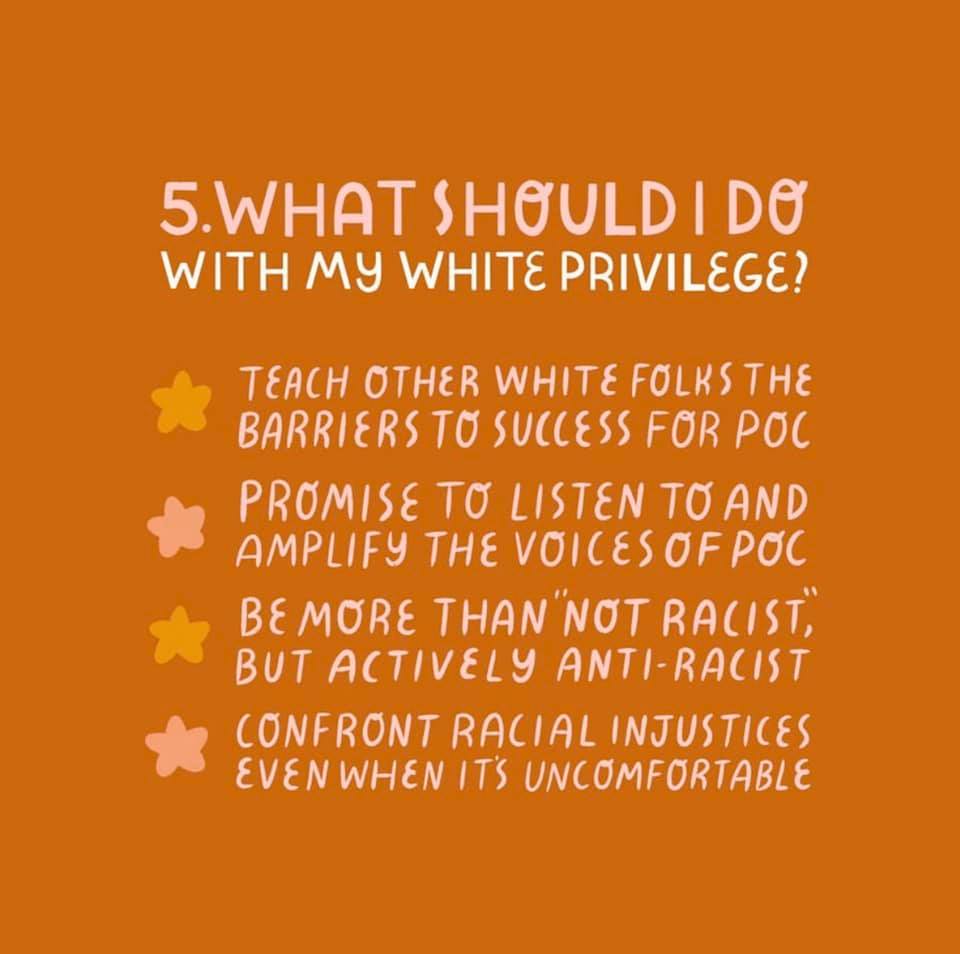
    2. Take Action

    Once you’ve learned, it’s time to act — in ways that align with who you are and where you are.

    Donate
    Financial support can make a real difference. A few trusted options include:

    Protest
    If you feel comfortable and safe, look into local protests or community gatherings.
    Show up, listen, and protect those around you. Your presence and voice matter.

    Call Out Racism
    When you hear or see racism — online, in conversation, or in your own circles — speak up. Change only happens when silence ends.

    Be a Friend
    Check in on your friends, especially those in the Black community. You don’t need to assume how they’re doing, but a simple “I’m thinking of you” can go a long way. Remember, this pain is generational and deeply felt, especially during times of crisis.

    Vote
    Voting is powerful. Elect leaders who are committed to racial justice and equality.
    You can also reach out to your elected officials — federal, state, and local — to voice your support for anti-racist policies.

    Keep Talking About It
    Conversations about anti-racism need to happen often — at home, with friends, and even with your kids. Change starts with awareness, and awareness starts with dialogue.


    The road toward equality and justice is ongoing, but if we each take responsibility for our part, we’ll get there together. 💛

    Feel free to share this post or these resources — every share helps spread understanding and action.

    Other Resources: 
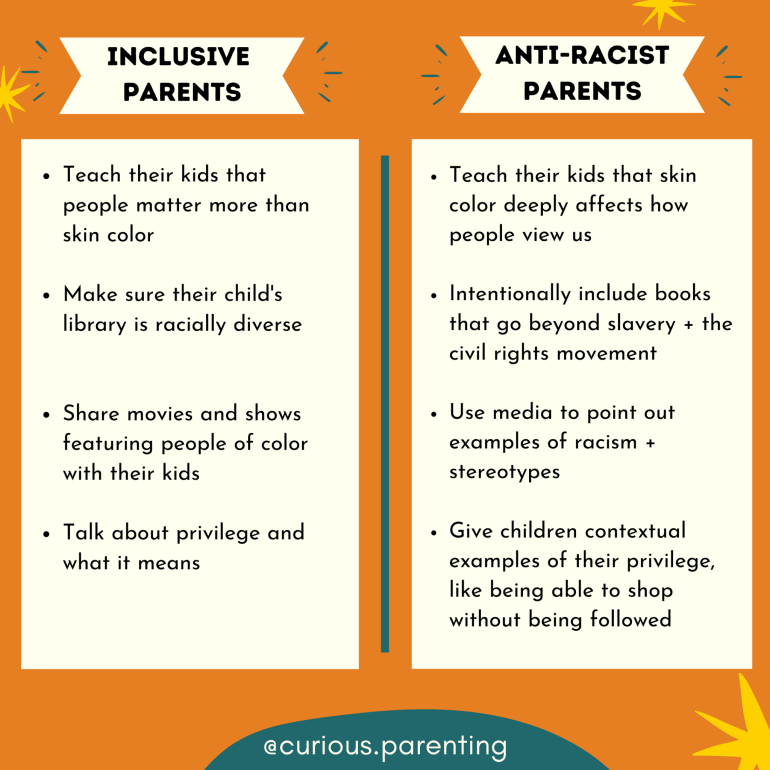
    Curious Parenting
    “For more resources on raising anti-racist kids, check out the resources The Conscious KidTeaching Tolerance, and Mamademics have created.”

    A Practical Guide to Defunding the Police
    No More Money for the Police
    Do Something


    Subscribe:

  • Following My Grandma’s Footsteps in Sweden: Reflections on Equality, Culture & Connection

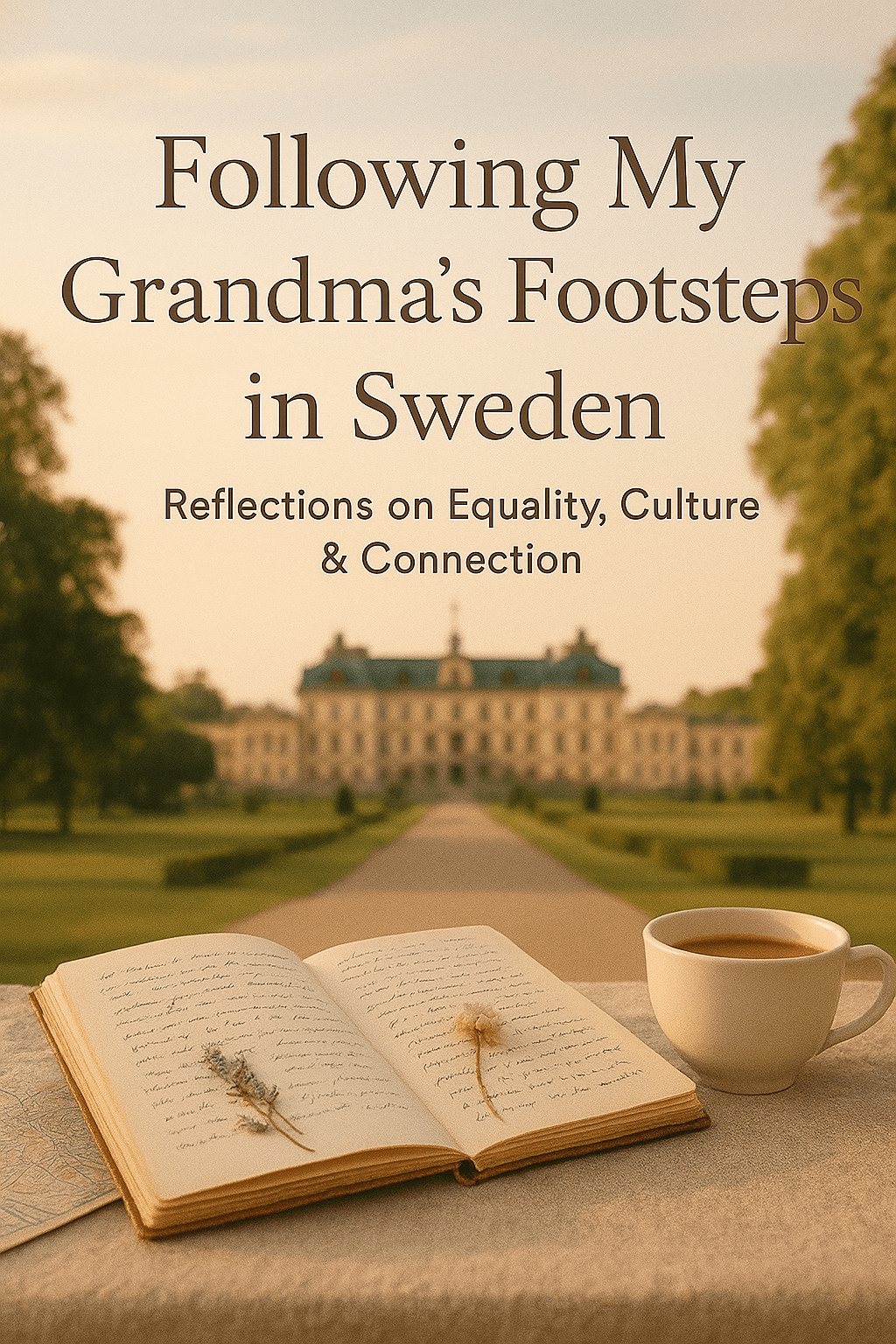
    Following My Grandma’s Footsteps in Sweden: Reflections on Equality, Culture & Connection

    While reading through my grandmother’s travel diary from her time in Sweden, I came across an entry that stopped me in my tracks:

    “Swedes are allowed to go anywhere, eat in the grass at the palace lawn, see parks as they wish. The new law is that the Princess who is older than her brother will be queen. We Swedes are implementing equal rights for women!”
    ~ Vivian Olson, June 17th

    I found myself smiling — not just because of her words, but because I had nearly the same thoughts during my own visit to Sweden decades later.

    There’s something truly special about how open and accessible life feels there. I remember watching newlyweds taking photos outside a royal palace, families picnicking on the palace lawn, and children playing with their dogs in the gardens. In so many other parts of the world, these spaces are roped off or reserved for the elite. But in Sweden, the royal grounds feel like they belong to everyone. That sense of shared belonging left such an impression on me.

    Just as my grandma observed, Sweden continues to lead with progressive values — especially when it comes to gender equality. Women have a strong voice in government, and citizens tend to vote based on values and policies rather than gender. It’s a refreshing contrast to what I often see in the U.S., where the focus can still be on who is breaking barriers instead of why they’re leading.

    Yet, even in Sweden, there’s acknowledgment that progress is ongoing. Equality is not a finish line but a continual effort — a mindset I think both our nations are still navigating.

    I love seeing how my grandmother’s reflections and mine intertwine — two generations apart, yet observing the same beauty in everyday freedoms and the same hope for equality. Her words remind me how much our perspectives are shaped by those who came before us, and how their journeys continue to guide our own.

    Side Note: Some Swedes still feel their country has work to do in reaching full equality — which makes me wonder: how far behind is the U.S.? Are we striving toward an ideal that even the most progressive nations are still perfecting?


  • From Rape Culture to Consent Culture: What We Can Learn from Sweden’s FATTA Movement

    From Rape Culture to Consent Culture: What We Can Learn from Sweden’s FATTA Movement

    I want to inspire Americans to care about reducing sexual assault, to help victims, and to change legislation with a focus on consent. I have chosen to focus on the actions of FATTA as an example of what can be done here in the USA.

    While studying abroad in Sweden, I learned about a powerful organization called FATTA — a Swedish nonprofit fighting sexual violence and advocating for consent in everyday life. FATTA was founded after a heartbreaking case in which three men accused of raping a 15-year-old girl were released because the court claimed her “modest” reaction — pushing her legs together — wasn’t enough to be considered rape.

    That moment sparked outrage and inspired a movement.

    According to Girls’ Globe, in 2012 there were over 16,700 reported sexual offenses in Sweden, with 98% of offenders being men and 95% of victims being women. By 2016, the number of reported assaults dropped to around 10,500, and while there are many factors involved, FATTA’s advocacy for consent culture has been a huge influence.


    What FATTA Stands For

    Sweden’s legal definition of rape once centered around violence and force rather than consent. FATTA challenged this outdated definition — pushing lawmakers to redefine sexual assault in terms of mutual agreement. In 2016, FATTA proposed a consent law, which emphasized that sex without consent is rape.

    They didn’t stop there. FATTA also launched FATTA Man, an initiative focused on men’s responsibility in changing social norms. Because sexual assault isn’t just a “women’s issue” — it’s a human one.

    Their advocacy gained national support. Some major music festivals in Sweden, previously plagued with assault reports, were even canceled until safer environments could be guaranteed. Bands like Mumford & Sons refused to perform until change happened.


    What About the United States?

    In the U.S., we still have a long way to go. According to RAINN, every 8 minutes, the victim of sexual assault is a child — and only 6 out of every 1,000 perpetrators are convicted.

    In Iowa, where I’m from, the law defines sexual abuse but doesn’t clearly define consent. You can read the full Iowa legal definition here. Shockingly, Des Moines Register once listed Des Moines as one of the top 100 sites for human trafficking in the U.S.

    The statistics are devastating:

    • 94% of women who’ve been raped experience PTSD symptoms.
    • 1 in 3 Native American women are victims of sexual assault.
    • Victims are 10x more likely to use major drugs and face lifelong trauma.

    These aren’t numbers. They’re real people — our friends, family members, coworkers, and neighbors.


    How We Can Create Change

    If Sweden can redefine its laws and culture around consent, we can too.

    Here’s how we can start:

    1. Educate and talk about consent — with our friends, families, and in schools.
    2. Lobby legislators to clearly define consent in U.S. law. You can find your representatives here.
    3. Create and support consent-based organizations that empower victims and change the conversation.
    4. Use your voice — whether that’s through social media, art, or advocacy, your words matter.

    It’s time we build a culture that values respect, equality, and consent.
    Let’s make it happen — it’s a party of consent in the USA.


    References & Resources

    Find Your Elected Officials

    FATTA: From Rape Culture to Consent Culture

    Girls’ Globe: A Campaign That Inspires Change

    RAINN: Rape, Abuse & Incest National Network

    BRÅ – Swedish Crime Prevention Council

    “Brett Och Station.” BRÅ – Brottsförebyggande Rådet. N.p., n.d. Web.

    Enqvist, Anna Falgén, María Rendo, Kupona Foundation, Shakira Choonara, and Gendercide Awareness Project. “FATTA: A Campaign That Inspires Change.” Girls’ Globe. N.p., 18 Mar. 2014. Web.

    From Rape Culture to Consent Culture. FATTA, fatta.nu/.

    Halpin, Hayley. “Swedish Music Festival Cancelled for 2018 following Rape and Sexual Assault Reports.” TheJournal.ie. N.p., n.d. Web.

    Rood, Lee. “Des Moines Identified as Top 100 Human Trafficking Site.” Des Moines Register. Des Moines Register, 16 Nov. 2016. Web.

    “Statistics.” Statistics | RAINN. N.p., n.d. Web.

    “Tea Consent (Clean).” YouTube. YouTube, 13 May 2015. Web.