Tag: Mental Health

  • The Royal Conversation We Needed: My Thoughts on Oprah’s Interview with Meghan & Harry 👑✨

    The Royal Conversation We Needed: My Thoughts on Oprah’s Interview with Meghan & Harry 👑✨

    When Oprah sits down for a tell-all, you know it’s going to be good. But when it’s Meghan, Duchess of Sussex, and Prince Harry across from her? Let’s just say — this wasn’t your average Sunday night interview.

    I’ll admit, I wasn’t sure if I wanted to watch at first. But as a biracial Black woman, curiosity (and maybe a little hope) got the better of me. And I’m so glad it did. From the moment the conversation began, I found myself nodding along, relating to Meghan in ways I didn’t expect. It was raw, vulnerable, and—finally—real.

    This wasn’t just a royal chat over tea. It was an unfiltered look into the experiences of two people navigating love, identity, and impossible expectations under the world’s microscope. Here are a few moments that truly stuck with me.


    💬 The Conversation About Archie’s Skin Tone

    When Meghan revealed that there had been “concerns” within the royal family about how dark Archie’s skin might be, I froze. It was painful but not shocking. Harry confirmed it wasn’t Queen Elizabeth or Prince Philip, but still—the damage was done.

    As someone who has lived through the subtle (and sometimes not-so-subtle) weight of colorism, I understood exactly how loaded that question was. It’s not just curiosity — it’s a reflection of how deeply racism can run, even when it hides behind polite tones and royal titles. Some people see a mixed-race baby and automatically assign them an identity that fits their biases. That “in-between” space can be isolating — you’re too Black for some, too white for others, and somehow never just you.


    👑 The Title That Never Was

    Let’s talk about Archie’s missing title. Traditionally, royal children need the Queen’s approval to receive the titles of “Prince” or “Princess.” William’s children were granted theirs—Charlotte and Louis included—but Archie? Not so much. For the first royal child of color to be denied that recognition carried symbolism that couldn’t be ignored. Representation matters — even in a palace.

    As Meghan explained how painful that experience was, I couldn’t help but think about how many of us have felt “snubbed” in smaller, quieter ways. Those moments when you realize that, no matter how much you achieve, some people will still see you as “other.”

    Representation matters, especially when it’s within an institution that symbolizes so much tradition and visibility. It was a subtle but loud message, and one that didn’t go unnoticed.


    📸 The Photo That Never Happened

    Remember the iconic royal baby debut outside the hospital? Meghan and Harry didn’t get that moment. I had assumed they opted out for privacy reasons—but no. Meghan revealed they were not offered the opportunity.

    That stung. Because those first photos aren’t just about the royal tradition; they’re about belonging. About being seen.


    📰 Harry’s Wake-Up Call on Racism

    One of the most powerful parts of the interview was hearing Harry admit he didn’t fully understand racial bias until he experienced it alongside Meghan. It reminded me of how deeply embedded privilege can be—even among those who think they “get it.”

    Oprah brilliantly contrasted media coverage between Meghan and Kate—where Kate was praised for eating avocado toast, and Meghan was vilified for it. It was such a clear example of how bias quietly works its way into everyday narratives.


    💔 “Megxit” and Moving On

    When the couple decided to step back from royal duties, they weren’t trying to rebel—they were trying to breathe. Harry clarified that he had spoken with the Queen in advance, though later, the palace’s response suggested otherwise.

    Hearing them describe losing their security and being cut off financially, while still facing intense scrutiny, made me realize how heavy their reality was. Meghan’s candidness about her mental health struggles was heartbreaking—but it also showed so much strength.


    ✨ Why It Matters

    Watching this interview felt like watching a cultural shift happen in real-time. It was uncomfortable, necessary, and strangely healing.

    Sharing your truth, especially when the world wants you silent, is a radical act. Meghan and Harry’s honesty reminded me of how vital it is to have these conversations — even when they challenge the systems we’ve been taught to respect.

    Oprah handled it with the grace and gravity only she can bring, creating space for hard but necessary conversations. And watching it all unfold, I couldn’t help but think of Princess Diana — how her legacy of honesty and compassion continues through her son and his family.

    For me, this interview wasn’t just about the royals. It was about the universal need to be seen, heard, and understood — no matter where you come from. It was about resilience, representation, and the beauty of reclaiming your story.

    And while the royal family might not change overnight, one thing’s for sure: the world is listening.


  • When Everything Becomes “Toxic”: A Little Perspective on Modern Relationships

    When Everything Becomes “Toxic”: A Little Perspective on Modern Relationships

    Lately, it feels like everyone is talking about “toxic” behavior — from friendships and relationships to online interactions. And honestly, at first, I thought this wave of awareness was going to bring some much-needed change. I even wrote a piece not too long ago about recognizing harmful relationships and protecting your peace.

    But recently, I’ve noticed something new. It seems like the word toxic has started to lose its meaning. Suddenly, any disagreement or minor frustration is being labeled as toxic — when sometimes, it’s really just a misunderstanding or a lack of communication.

    Let me give you an example.
    If I called up my best friend to vent about how my fiancé never seems to buy coffee, I could easily spiral into labeling that behavior as unfair or even toxic. But if I’m honest with myself, I’ve never actually told him how I feel about it. Maybe he doesn’t even realize it’s bothering me. Maybe he’s covering other expenses I haven’t thought about. Before I label the situation, I owe it to us both to communicate.

    And that’s the thing — calling everything toxic can stop us from doing the hard, but necessary, work of understanding and growing with the people we love.


    💭 What Actually Makes a Relationship Toxic

    Now, that doesn’t mean true toxicity doesn’t exist — it absolutely does. There are patterns of behavior that cross the line and can chip away at your peace and self-worth.

    Here are a few examples of what toxic behavior can look like:

    ✨ They continuously ignore or dismiss important issues that matter to you.
    ✨ They use personal things you’ve shared against you later.
    ✨ They intentionally do something hurtful, then twist it to make you the problem.
    ✨ They never take accountability — it’s always your fault.
    ✨ They show little empathy, yet expect endless compassion from others.
    ✨ They can’t stand being told they’re wrong.
    ✨ Their apologies feel fake, condescending, or manipulative.
    ✨ When you express your feelings, they lash out and blame you for “starting drama.”

    None of us are perfect — we all have moments where we’re selfish, defensive, or just not our best selves. But there’s a huge difference between someone who listens, reflects, and wants to grow versus someone who refuses to take responsibility.

    For instance, if your partner needs time to cool off before having a hard conversation, that can be healthy. But if they constantly delay or avoid the talk because they don’t care or don’t value your needs, that’s when it becomes toxic.


    🔥 The Candle Example
    There’s a viral video that perfectly sums up a dynamic known as reactive abuse — when the real aggressor provokes someone, then plays the victim once the other person reacts.

    In the clip, a little girl smugly blows out her sister’s birthday candles. Naturally, the younger sister gets upset — and guess who gets scolded? The little sister. It’s a lighthearted example, sure, but it highlights something real: the way manipulative behavior can shift blame and make the person reacting look like the problem.


    At the end of the day, communication is everything. If something doesn’t feel right, don’t brush it aside. Talk it out, set boundaries, and trust your intuition. Healthy relationships — whether romantic, platonic, or family — are built on empathy, accountability, and effort from both sides.

    It’s okay to call out truly harmful behavior, but let’s also leave space for growth, grace, and understanding. Because not everything that’s uncomfortable is toxic — sometimes it’s just human.


    Follow Me

    Get new content delivered directly to your inbox.


  • Recognizing Manipulation and Narcissistic Behavior (and Protect Your Peace)

    Recognizing Manipulation and Narcissistic Behavior (and Protect Your Peace)

    I’ve been thinking a lot lately about how easy it is for manipulation to sneak into our lives — sometimes through relationships, friendships, or even at work. It doesn’t always start with obvious red flags. Sometimes it’s subtle — a guilt trip here, a twisted story there — until one day you realize something feels off.

    Let’s start with what manipulation actually means.

    Manipulate (verb):
    To manage or influence skillfully, especially in an unfair manner — like manipulating someone’s feelings.

    Pretty straightforward, right? But when you see it play out in real life, it can be messy and confusing.


    When Manipulation Turns Toxic

    Manipulative people tend to act with their own interests in mind. They might hurt you intentionally, then pretend nothing happened. They may even gather harmless bits of information from you — only to use it later when it benefits them.

    At its worst, this behavior can overlap with traits of Narcissistic Personality Disorder (NPD) — which often includes:

    • An inflated sense of self-importance
    • A deep need for attention or admiration
    • A lack of empathy for others
    • Difficulty maintaining healthy relationships

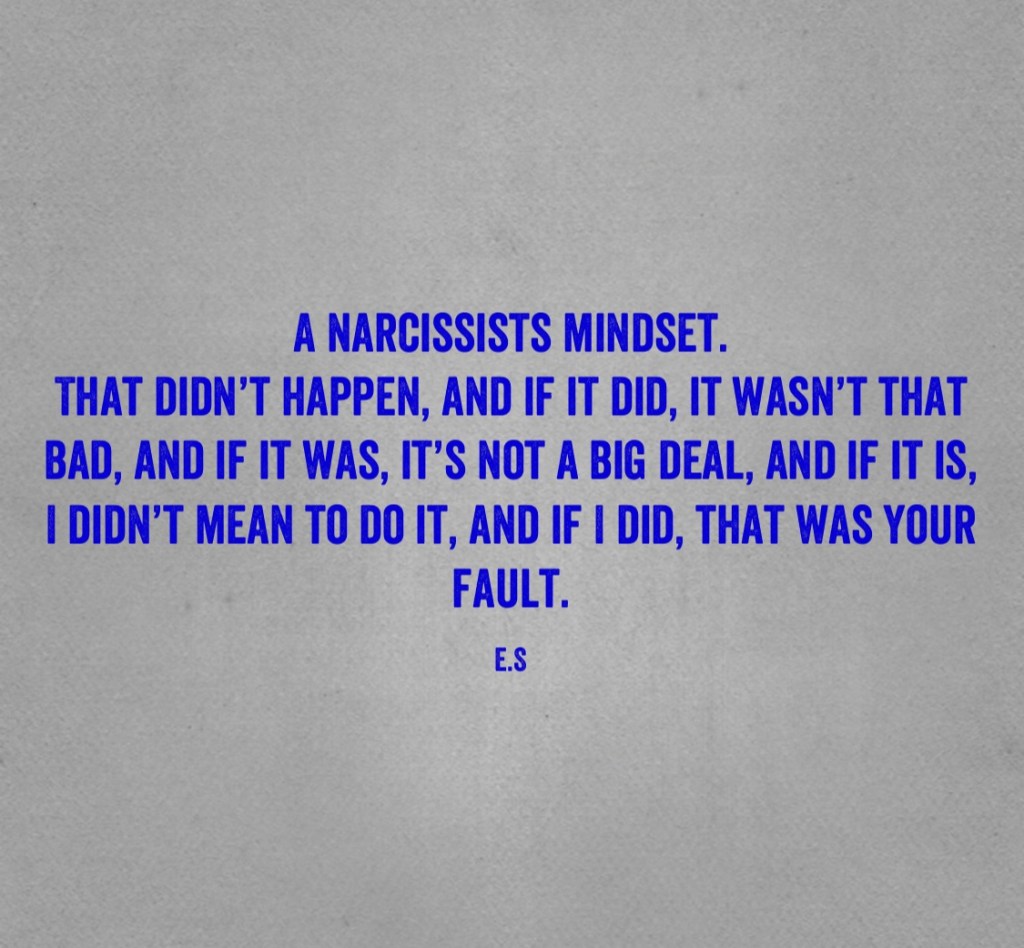
    What’s tough is that people who manipulate rarely feel genuine remorse. They might say they do, but their actions usually tell a different story. If you call them out, they’ll often deflect, deny, or make it seem like you’re the one at fault.


    The Emotional “Gotcha” Game

    Have you ever had someone deliberately push your buttons, just to get a reaction?
    That’s exactly what manipulators want — an emotional “aha!” moment. They’ll poke at your insecurities or twist your words until you snap, then say things like:

    “See, I knew you were overreacting.”
    “You’re always so dramatic.”

    Sound familiar? It’s a classic move to shift blame and make you doubt yourself. But here’s the truth — your reaction is valid. Their behavior is what caused it, not you. The best way to handle it? Stay calm, breathe, and don’t let them drag you into their chaos.


    Listen to Your Gut

    Your intuition is powerful. If you feel uneasy around someone or constantly second-guess yourself, that’s not “overthinking” — that’s awareness. Trust it.

    Manipulators often start off charming and attentive, giving you all the validation you could want. Then, little by little, they pull away — leaving you wondering what changed. That emotional whiplash keeps you hooked, trying to get back to the version of them that doesn’t really exist.

    You don’t owe anyone endless chances or explanations. Protect your energy. If something feels off, it probably is.

    Believe it! Trust your intuition.

    Examples of Manipulative Behavior

    Manipulative or narcissistic individuals may:

    • Intentionally hurt you, then act like nothing happened.
    • Use your words or vulnerabilities against you later.
    • Twist facts or shift blame with phrases like “That’s up to you, believe what you want.”
    • Refuse to take responsibility, making you feel like the problem.
    • Withdraw affection or attention to keep you chasing their approval.

    These patterns are emotionally exhausting — and you don’t have to tolerate them. Awareness is the first step toward protecting yourself and building healthier relationships.


    Final Thoughts

    No one is perfect. We all have moments where we act selfishly or fail to communicate clearly. The difference lies in whether someone is willing to listen, learn, and grow — or whether they keep repeating the same harmful patterns.

    The key takeaway? Stay aware. Trust your gut. Set boundaries.
    And remember — manipulation says far more about them than it ever does about you.


  • Tough Love and Tender Care: My Wake-Up Call with Diabetes

    Tough Love and Tender Care: My Wake-Up Call with Diabetes

    Tender. Loving. Care.

    We could all use a little more of that.

    Lately, I’ve had to face a hard truth — my diabetes is not under control. My blood sugar is high, my weight is up, and my gums are a mess. And yet… I haven’t been doing much to change my habits. It’s easy to talk about people who struggle with their health, but the truth is, I’m no different. Every day I make choices that put my own health at risk.

    Take this morning, for example: I had multigrain toast absolutely covered in Nutella. Not a “just-a-little” situation — I mean covered. Then, of course, I turned around and complained about how awful I felt and how dry and swollen my hands were. The pattern is clear — I keep sabotaging myself.

    A Look Back

    Back in my freshman year of college, I decided I needed to make a big change. After months of ups and downs, I finally focused on both my mental and physical health. Within six months, I lost over 40 pounds through diet and exercise — going from around 150 pounds to 105.

    In the beginning, though, my diet was pretty extreme. I ate very low-carb, counted calories religiously, and allowed myself only one cheat meal a week. Eventually, I relaxed into a more balanced diet and felt healthier overall — confident, lighter, and more “me.” This was all before I was diagnosed with diabetes.

    Fast Forward to Now

    Over time, I slipped back into old habits. I’ve regained the weight and lost most of the muscle I worked so hard for. That wouldn’t be the end of the world… if I weren’t diabetic. But now, my blood sugar, diet, and exercise matter more than ever.

    Honestly, it’s tough. When I get home and see a big plate of pasta waiting for me, it feels impossible to resist. But I know I need to find balance again. My body has been trying to tell me something — I’ve been sick more often, with weird flu-like illnesses, and I was even hospitalized not long ago. Maybe those things are connected, maybe not. But one thing is clear: my diabetes being out of control definitely isn’t helping.

    Moving Forward with Care

    I know I can’t keep blaming being busy, broke, or tired. At some point, I have to take responsibility and start treating my body with the same tender, loving care I give to others.

    So that’s my goal — to show myself a little more grace and discipline at the same time. To eat better, move more, and find a healthier balance with diabetes.

    If you’ve gone through something similar, I’d love to hear your story. Drop your advice, struggles, or little wins in the comments — let’s lift each other up.