Tag: royal family

  • The Royal Conversation We Needed: My Thoughts on Oprah’s Interview with Meghan & Harry 👑✨

    The Royal Conversation We Needed: My Thoughts on Oprah’s Interview with Meghan & Harry 👑✨

    When Oprah sits down for a tell-all, you know it’s going to be good. But when it’s Meghan, Duchess of Sussex, and Prince Harry across from her? Let’s just say — this wasn’t your average Sunday night interview.

    I’ll admit, I wasn’t sure if I wanted to watch at first. But as a biracial Black woman, curiosity (and maybe a little hope) got the better of me. And I’m so glad it did. From the moment the conversation began, I found myself nodding along, relating to Meghan in ways I didn’t expect. It was raw, vulnerable, and—finally—real.

    This wasn’t just a royal chat over tea. It was an unfiltered look into the experiences of two people navigating love, identity, and impossible expectations under the world’s microscope. Here are a few moments that truly stuck with me.


    💬 The Conversation About Archie’s Skin Tone

    When Meghan revealed that there had been “concerns” within the royal family about how dark Archie’s skin might be, I froze. It was painful but not shocking. Harry confirmed it wasn’t Queen Elizabeth or Prince Philip, but still—the damage was done.

    As someone who has lived through the subtle (and sometimes not-so-subtle) weight of colorism, I understood exactly how loaded that question was. It’s not just curiosity — it’s a reflection of how deeply racism can run, even when it hides behind polite tones and royal titles. Some people see a mixed-race baby and automatically assign them an identity that fits their biases. That “in-between” space can be isolating — you’re too Black for some, too white for others, and somehow never just you.


    👑 The Title That Never Was

    Let’s talk about Archie’s missing title. Traditionally, royal children need the Queen’s approval to receive the titles of “Prince” or “Princess.” William’s children were granted theirs—Charlotte and Louis included—but Archie? Not so much. For the first royal child of color to be denied that recognition carried symbolism that couldn’t be ignored. Representation matters — even in a palace.

    As Meghan explained how painful that experience was, I couldn’t help but think about how many of us have felt “snubbed” in smaller, quieter ways. Those moments when you realize that, no matter how much you achieve, some people will still see you as “other.”

    Representation matters, especially when it’s within an institution that symbolizes so much tradition and visibility. It was a subtle but loud message, and one that didn’t go unnoticed.


    📸 The Photo That Never Happened

    Remember the iconic royal baby debut outside the hospital? Meghan and Harry didn’t get that moment. I had assumed they opted out for privacy reasons—but no. Meghan revealed they were not offered the opportunity.

    That stung. Because those first photos aren’t just about the royal tradition; they’re about belonging. About being seen.


    📰 Harry’s Wake-Up Call on Racism

    One of the most powerful parts of the interview was hearing Harry admit he didn’t fully understand racial bias until he experienced it alongside Meghan. It reminded me of how deeply embedded privilege can be—even among those who think they “get it.”

    Oprah brilliantly contrasted media coverage between Meghan and Kate—where Kate was praised for eating avocado toast, and Meghan was vilified for it. It was such a clear example of how bias quietly works its way into everyday narratives.


    💔 “Megxit” and Moving On

    When the couple decided to step back from royal duties, they weren’t trying to rebel—they were trying to breathe. Harry clarified that he had spoken with the Queen in advance, though later, the palace’s response suggested otherwise.

    Hearing them describe losing their security and being cut off financially, while still facing intense scrutiny, made me realize how heavy their reality was. Meghan’s candidness about her mental health struggles was heartbreaking—but it also showed so much strength.


    ✨ Why It Matters

    Watching this interview felt like watching a cultural shift happen in real-time. It was uncomfortable, necessary, and strangely healing.

    Sharing your truth, especially when the world wants you silent, is a radical act. Meghan and Harry’s honesty reminded me of how vital it is to have these conversations — even when they challenge the systems we’ve been taught to respect.

    Oprah handled it with the grace and gravity only she can bring, creating space for hard but necessary conversations. And watching it all unfold, I couldn’t help but think of Princess Diana — how her legacy of honesty and compassion continues through her son and his family.

    For me, this interview wasn’t just about the royals. It was about the universal need to be seen, heard, and understood — no matter where you come from. It was about resilience, representation, and the beauty of reclaiming your story.

    And while the royal family might not change overnight, one thing’s for sure: the world is listening.


  • Things to Do in Stockholm: My Travel Itinerary & Budget-Friendly Guide

    Things to Do in Stockholm: My Travel Itinerary & Budget-Friendly Guide

    Things to Do in Stockholm: My 4-Day Itinerary & Budget Travel Tips

    What an incredible trip so far — I can’t recommend Stockholm, Sweden enough! From historic palaces to cozy cafés and fascinating museums, there’s something for every kind of traveler. Whether you’re planning a short getaway or a longer backpacking adventure, here’s a look at my Stockholm travel itinerary, complete with money-saving tips and local highlights.


    🥐 Day 3: The Nobel Museum & Vasa Museum

    Rise and shine in beautiful Stockholm!
    I started my morning with a delicious breakfast at the Zinkensdamm Hostel — one of the best hostels in Stockholm for budget travelers. A good breakfast sets the tone for the day, and this one did not disappoint.

    💡 Budget Tip: I saved money by making sandwiches from the breakfast buffet to enjoy later for lunch (the staff was totally fine with it!). They also provide free pasta in their shared kitchen, which was a lifesaver for longer stays. For extra snacks or picnic food, visit a local COOP grocery store — they’re everywhere and super convenient.

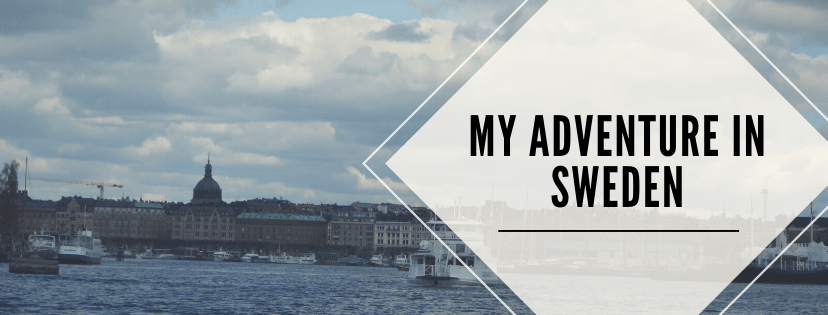
    After breakfast, I took the short ferry across to Djurgården Island to explore the Vasa Museum. The ferry ride takes less than five minutes and offers beautiful views of the city’s waterfront. Stockholm is made up of many small islands connected by bridges and ferries — it’s part of what makes exploring so fun.

    Next, I toured the Nobel Prize Museum. Admission is around $13 USD for adults and free for anyone under 18 — I wish more countries followed this model! My favorite exhibits included tributes to Barack Obama and Martin Luther King Jr., which were incredibly inspiring.


    👑 Day 4: The Royal Palace & Skansen

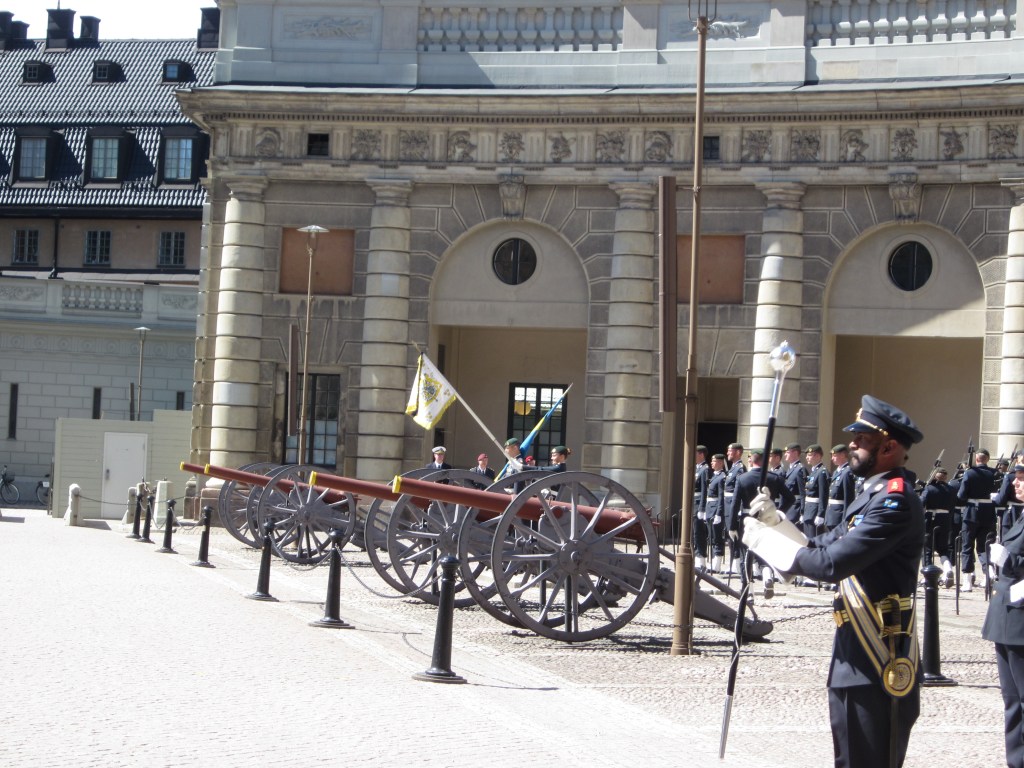
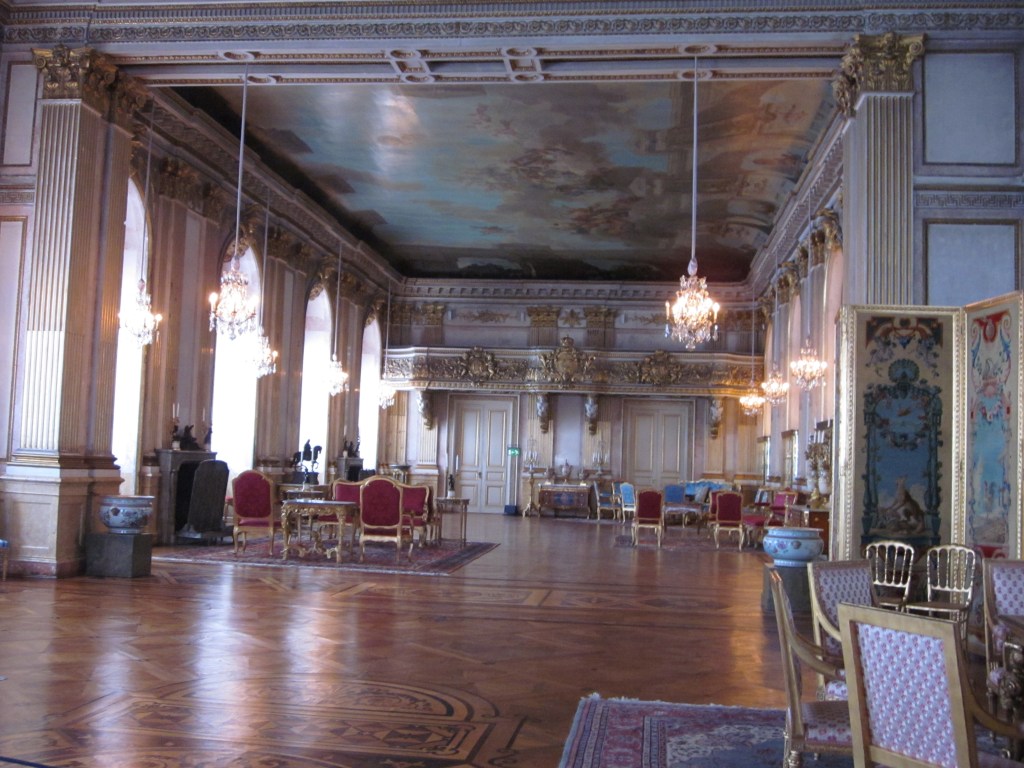
    Day four began with a visit to the stunning Royal Palace, located right in the heart of Stockholm. It’s one of Europe’s largest palaces and home to some of Sweden’s most historic treasures.

    While I personally preferred Drottningholm Palace (which I’ll share in a separate post), the Royal Palace has a unique charm — part regal, part modern. Getting there is super easy thanks to Sweden’s efficient public transportation system.

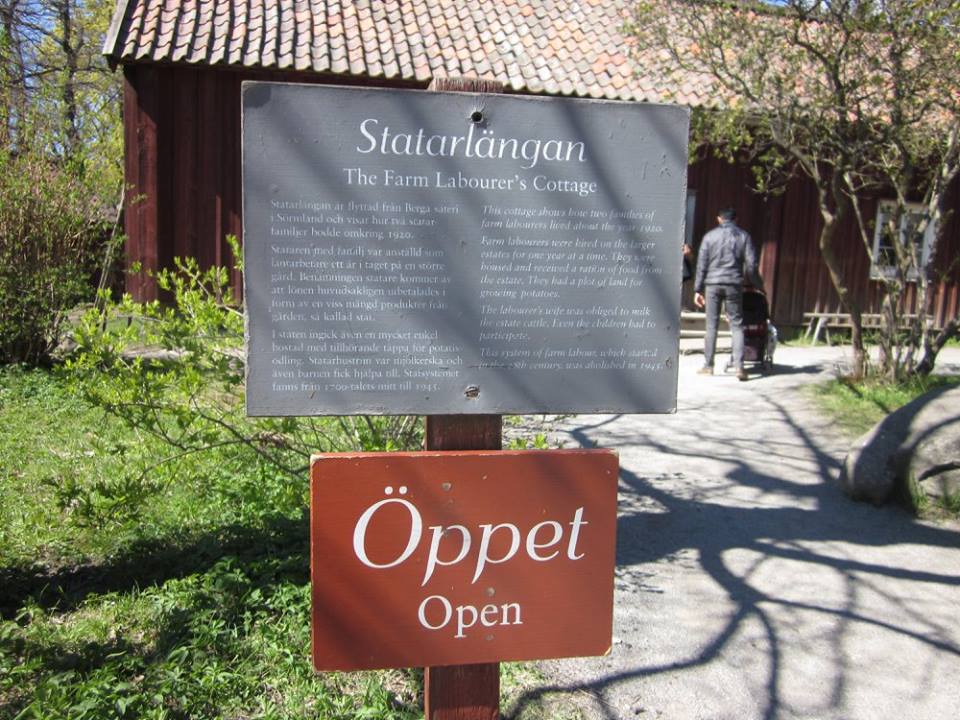
    Afterward, I spent the afternoon at Skansen, one of my favorite experiences in Stockholm. It’s the world’s oldest open-air museum — part cultural village, part zoo — where you can stroll through a recreated 19th-century Swedish town, meet native animals like moose and lynx, and enjoy live demonstrations of traditional crafts. It’s such a peaceful and educational way to experience Swedish culture.


    💰 Stockholm Travel Tips

    Get the Stockholm Pass if you’re planning to visit multiple attractions — it covers many of the top sites and can save you quite a bit.
    Use public transit. The metro and ferries are clean, safe, and easy to navigate.
    Eat smart. Try local cafés and bakeries instead of restaurants for most meals — or cook a few times if your accommodation allows it.
    Visit museums on free days. Many offer free entry at certain times of the month.


    ✈️ Final Thoughts: Why You’ll Love Stockholm

    Stockholm completely stole my heart. Between the serene ferry rides, beautiful palaces, and friendly locals, it’s a city that blends old-world charm with modern simplicity. Whether you’re a history lover, foodie, or budget-conscious traveler, Stockholm, Sweden has something for everyone.

    Have you visited Stockholm? Share your favorite spots or travel tips in the comments below! 💬

    📸 Photo Gallery


  • Following My Grandma’s Footsteps in Sweden: Reflections on Equality, Culture & Connection

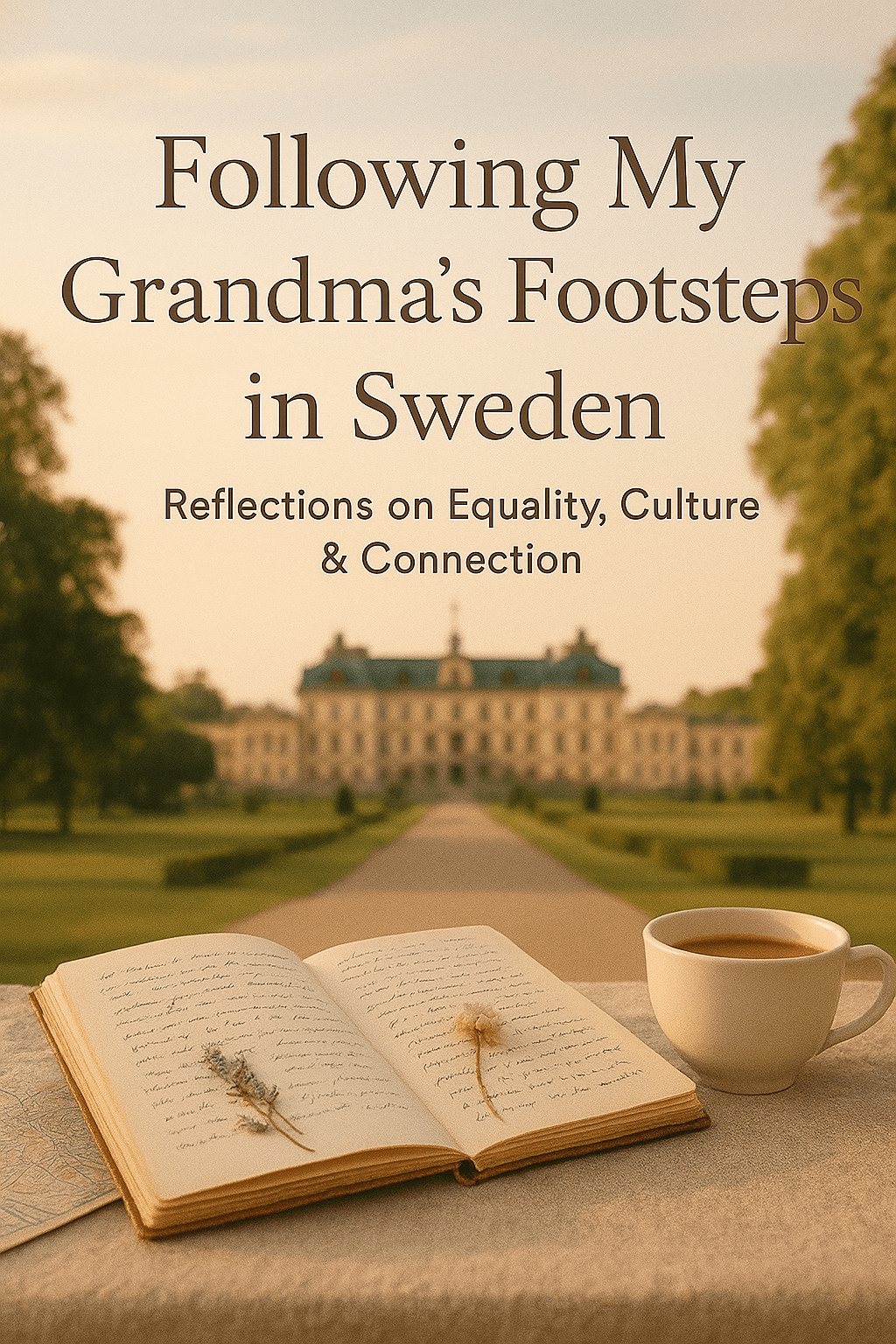
    Following My Grandma’s Footsteps in Sweden: Reflections on Equality, Culture & Connection

    While reading through my grandmother’s travel diary from her time in Sweden, I came across an entry that stopped me in my tracks:

    “Swedes are allowed to go anywhere, eat in the grass at the palace lawn, see parks as they wish. The new law is that the Princess who is older than her brother will be queen. We Swedes are implementing equal rights for women!”
    ~ Vivian Olson, June 17th

    I found myself smiling — not just because of her words, but because I had nearly the same thoughts during my own visit to Sweden decades later.

    There’s something truly special about how open and accessible life feels there. I remember watching newlyweds taking photos outside a royal palace, families picnicking on the palace lawn, and children playing with their dogs in the gardens. In so many other parts of the world, these spaces are roped off or reserved for the elite. But in Sweden, the royal grounds feel like they belong to everyone. That sense of shared belonging left such an impression on me.

    Just as my grandma observed, Sweden continues to lead with progressive values — especially when it comes to gender equality. Women have a strong voice in government, and citizens tend to vote based on values and policies rather than gender. It’s a refreshing contrast to what I often see in the U.S., where the focus can still be on who is breaking barriers instead of why they’re leading.

    Yet, even in Sweden, there’s acknowledgment that progress is ongoing. Equality is not a finish line but a continual effort — a mindset I think both our nations are still navigating.

    I love seeing how my grandmother’s reflections and mine intertwine — two generations apart, yet observing the same beauty in everyday freedoms and the same hope for equality. Her words remind me how much our perspectives are shaped by those who came before us, and how their journeys continue to guide our own.

    Side Note: Some Swedes still feel their country has work to do in reaching full equality — which makes me wonder: how far behind is the U.S.? Are we striving toward an ideal that even the most progressive nations are still perfecting?