Category: Entertainment / Media

  • Why Sinners Endures: A Post-Awards Reflection on the Movie of 2025

    Why Sinners Endures: A Post-Awards Reflection on the Movie of 2025

    What the wins confirmed, what fans already knew, and why the relationships at the heart of Sinners still matter.

    Award season has a way of changing how we look back at a film. Once the dust settles, what’s left is the story itself and how it actually stayed with us. This is a post‑award season reflection on Sinners: what the wins confirmed, what fans have been saying all along, and why the relationships at the heart of the film continue to matter long after the trophies were handed out.

    When I published my original Sinners review, I had a feeling this film was going to linger. Not just as something we watched and moved on from, but as one of those movies people keep circling back to — quoting, debating, and holding up as the standard for what cinema can be.

    Now, with award season firmly in the rearview mirror, it feels like the right moment to come back and say it plainly: fans have crowned Sinners “the movie of 2025,” and the accolades reinforce that claim.

    If you missed my first thoughts, you can read my original Sinners review here →

    Before getting into the trophies and nominations, it’s worth pausing to acknowledge that none of this recognition came out of nowhere — it was built on storytelling that resonated deeply with audiences first.

    This isn’t just a victory lap — it’s a look at why Sinners still matters after the trophies.


    Making Oscars History

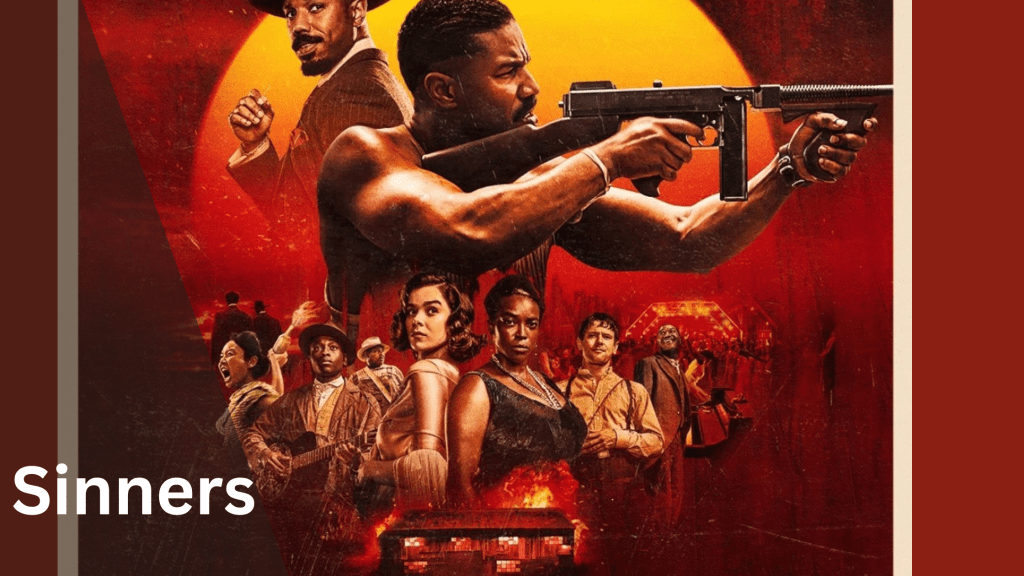
    Ryan Coogler’s Sinners didn’t just make waves during award season — it rewrote the record books. With Sinners, Coogler continues a career defined by cultural impact as much as craft — but this film feels like his most personal swing yet.

    The film earned 16 Academy Award nominations, officially becoming the most-nominated movie in Oscars history. The previous record of 14 nominations was shared by All About Eve (1951), Titanic (1998), and La La Land (2017) — titles that now sit alongside Sinners in an entirely new category of cinematic legacy.

    That milestone feels especially significant given what Sinners is: a vampire film set in 1930s Mississippi that blends horror, history, culture, romance, and social commentary without ever diluting its voice. What could have remained a genre-specific hit became a major box-office success, proving its reach extended far beyond traditional horror audiences into the cultural mainstream.

    Among its record-breaking nominations were nods for Best Picture, Best Original Screenplay, Best Original Song, and Best Costume Design, alongside acting nominations for Michael B. Jordan (Best Actor), Delroy Lindo (Best Supporting Actor), and Wunmi Mosaku (Best Supporting Actress). Ryan Coogler also received a Best Director nomination, further cementing Sinners as both a creative and cultural force.

    Before getting into the trophies themselves, it’s worth pausing to acknowledge that this level of recognition didn’t come out of nowhere. It was built on storytelling that resonated deeply with audiences first — the kind that lingers, invites debate, and refuses to fade quietly once the credits roll.

    Records matter — but what made this season feel different was how consistently Sinners showed up, across every major awards body.


    A Clean Sweep Kind of Year

    Sinners didn’t just show up to award season — it dominated the conversation.

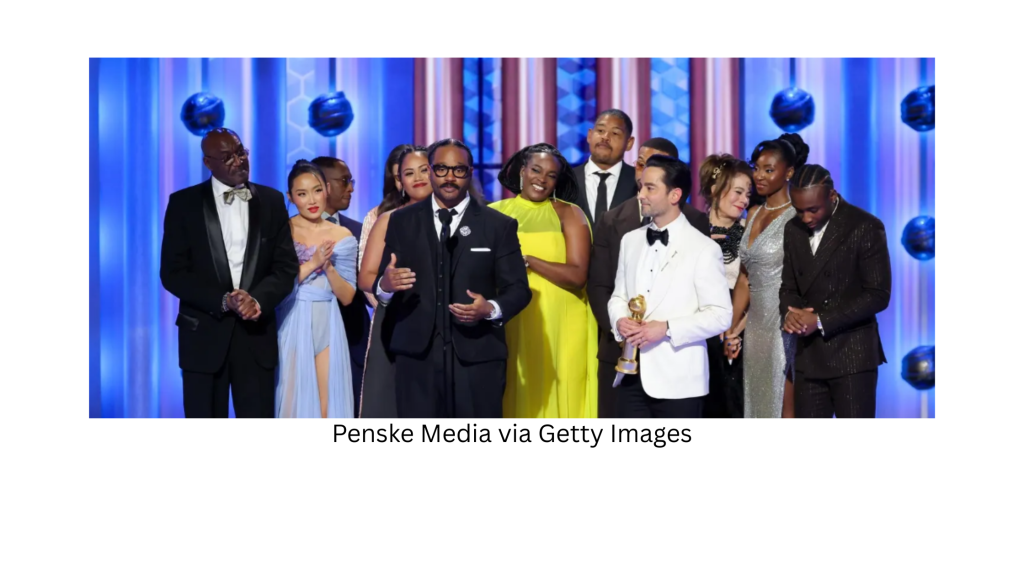
    The film won the newly introduced Cinematic & Box Office Achievement Award at the Golden Globes, a category designed to recognize films that are both artistically bold and culturally massive. In other words, the exact lane Sinners lives in.

    At the Critics Choice Awards, the film took home multiple wins, including:

    • Best Original Screenplay
    • Best Casting Ensemble
    • Best Score
    • Best Young Actor (Miles Caton)

    On top of those wins, Sinners racked up major nominations during the 2026 awards season, including seven Golden Globe nominations (Best Picture, Director, and Actor among them) and an eye‑watering 17 Critics’ Choice nominations.

    This wasn’t a fluke. It was sustained, across‑the‑board recognition — the kind that happens when a movie hits emotionally and culturally.

    That said, not all fans walked away satisfied, including me. Many viewers felt blindsided by how the major acting awards ultimately shook out. Timothée Chalamet secured Best Actor at the 2026 Critics Choice Awards for Marty Supreme. Meanwhile, Michael B. Jordan’s dual performance in Sinners — despite the film’s theatrical run, rescreenings, and the sheer complexity of his roles — was left without that particular recognition. A moment many fans continue to describe as “robbed,” underscoring just how deeply audiences were invested — especially given that a Black actor delivering a dual performance was ultimately overlooked. In a year that celebrated ambition and risk, the omission felt less like oversight and more like a familiar industry blind spot.


    Why the Relationships Hit So Hard

    Awards aside, what people keep talking about with Sinners is the relationships. Not just the romantic ones, but the way connection, belief, loyalty, and trust are woven into every storyline.

    This is a movie that understands something crucial: relationships aren’t neat. They’re layered with history, power, perception, and unspoken truths.

    Two performances in particular continue to anchor that conversation.


    Hailee Steinfeld as Mary: Identity, Passing, and Being Seen

    Hailee Steinfeld’s Mary is one of the most quietly complex characters in Sinners. Mary is a mixed-race woman who is white-passing, constantly navigating the space between how she knows herself and how the world labels her.

    In the story, Stack — her love interest — attempts to protect her by setting her up with a white husband, believing this will shield her from danger. But Mary doesn’t want safety that requires erasure. She knows where she belongs and who she loves. The tension is never resolved neatly: Mary’s presence at the juke joint becomes risky — because being seen alongside Stack means she will inevitably be read as Black, no matter how easily she passes elsewhere.

    This thread aligns closely with critical analysis around Mary as one of the film’s emotional and literal survivors, particularly discussions of racial escapism and conditional survival — themes explored in depth by cultural critics examining Sinners beyond its surface narrative.

    Mary’s experience mirrors real‑world conversations around race, colorism, and conditional belonging. It’s impossible not to think about figures like Meghan Markle — women who are read differently depending on who is doing the looking, and who are often forced to defend their identity from all sides. Even in my own life, I’ve felt that quiet pressure to “pick a side,” when the truth is that we are made of all the things that created us. Sitting with that complexity, rather than apologizing for it, is something Mary ultimately refuses to stop doing.

    There was controversy surrounding Steinfeld’s casting, with some critics arguing she was “too white” for the role. What many overlook is that Hailee Steinfeld’s real-life heritage closely mirrors Mary’s story, making her uniquely equipped to inhabit that liminal space.

    Steinfeld’s connection to Sinners went far beyond a typical leading role— Mary became a mirror into her own family history, a process she has spoken about publicly in interviews reflecting on race, identity, and preparation for the role (as discussed in Refinery29). The character’s mixed-race identity pushed Steinfeld to explore her own heritage in ways she hadn’t before; her father is Jewish, and her mother’s family includes Filipino and African-American roots. She has spoken about how researching the role led to meaningful conversations with her mom and deeper insight into her late grandfather’s life, helping her connect not just to Mary’s emotional landscape but to her own sense of self. This wasn’t surface-level research — it was a personal reckoning with belonging, lineage, and identity that informed how she embodied Mary onscreen.

    Her performance doesn’t ask for permission — it simply exists, which feels intentional and powerful.

    In real life, fans have also been celebrating Steinfeld as she navigates pregnancy during this chapter of her career, adding another layer of warmth to how audiences are revisiting her work in Sinners.


    Wunmi Mosaku as Annie: Power, Belief, and Being Listened To

    Wunmi Mosaku’s Annie might be my favorite performance in the film.

    Annie is a hoodoo practitioner, a spiritual leader, and a woman deeply rooted in her community. What stands out most about her portrayal is not just her strength, but the way the film allows her to be believed — and asks the audience to do the same.

    Too often, characters like Annie are dismissed, doubted, or treated as mystical window dressing. Sinners refuses to do that.

    As the story darkens, Annie speaks — and people listen. No eye‑rolling. No disbelief. No undercutting her wisdom. Her love interest, Smoke, respects her authority without trying to dominate or explain it away.

    There is something deeply satisfying about watching a woman be portrayed as powerful and desired, spiritual and grounded, without having to sacrifice softness or beauty. Interviews with Mosaku about Annie reveal how intentionally this character was shaped — not as a symbol, but as a fully realized woman whose voice carries weight, a perspective she expands on when discussing Annie’s authority, spirituality, and community ties in interviews with W Magazine. Annie isn’t just powerful — she’s trusted, and that choice feels quietly radical.

    Like Steinfeld, Mosaku’s real‑life pregnancy has become part of the wider conversation around the film, with fans lovingly revisiting her performance through the lens of creation, legacy, and continuation — themes that already run through Sinners itself. That sense of legacy has spilled into real life, too — especially as fans connect the film’s themes with the women who brought them to life.

    Award season moments like this only add to the warmth surrounding the film.


    Why Sinners Will Outlast the Awards

    Calling Sinners “the movie of 2025” isn’t just about trophies or box office numbers. It’s about the way the film trusted its audience to sit with discomfort, nuance, and emotional truth.

    It didn’t flatten its characters to make them palatable. It didn’t rush past hard conversations. And it didn’t underestimate how hungry people are for stories that reflect real, complicated humanity. History will remember the records — but it’s the relationships that keep calling us back.

    Award season may be over, but Sinners feels far from finished. Some movies age quietly. Sinners is aging loudly, proudly, and exactly as it should. Sinners didn’t just stay with us — it asked us to keep listening.


    At Cupcakes & Tea, I write about films the same way I experience them — as stories that linger long after the credits roll. This space has always been about reflective cultural commentary: how movies intersect with identity, relationships, power, and the quieter truths we carry with us. Sinners is exactly the kind of film that belongs here — one that invites us to sit with complexity, ask harder questions, and return to the conversation when the noise has faded.


  • Taylor Swift’s The Life of a Showgirl: Fun and Flawed

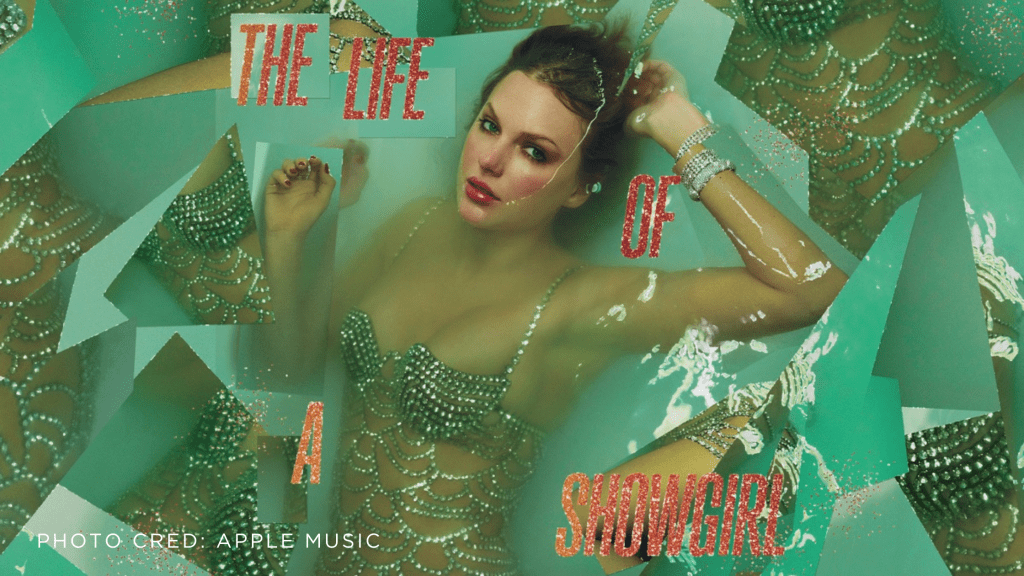
    Taylor Swift’s The Life of a Showgirl: Fun and Flawed

    I’ve always liked Taylor Swift’s music, but I wouldn’t call myself a full-on Swiftie. I think that helps me stay a little more… objective — which might come in handy while reviewing her newest album, The Life of a Showgirl.

    Released on October 3, 2025, the 12-track record includes:
    “The Fate of Ophelia,” “Elizabeth Taylor,” “Opalite,” “Father Figure,” “Eldest Daughter,” “Ruin the Friendship,” “Actually Romantic,” “Wi$h Li$t,” “Wood,” “CANCELLED!,” “Honey,” and “The Life of a Showgirl” (feat. Sabrina Carpenter).

    At first listen, I loved it. It felt fresh, fun, and classic Taylor — catchy choruses, cinematic lyrics, a little bit of heartbreak. I played it on repeat while painting my house and thought, “She’s done it again.” But as the internet started unpacking the lyrics and controversies, my enthusiasm started to fade. Am I deleting her from my Spotify playlists? Absolutely not. But my feelings have definitely gotten more… complicated.

    Let’s break it down track by track.


    1. “The Fate of Ophelia”

    Taylor opens with a haunting love song that uses the tragic Shakespearean heroine as a metaphor for heartbreak and redemption. It’s about finding safety and love before spiraling into despair — a nod to her very public romance with Travis Kelce. “Go, Travis!” indeed.


    2. “Elizabeth Taylor”

    This track draws parallels between the two Taylors — Swift and Elizabeth — both navigating fame, love, and constant scrutiny. With details like white diamonds and film-star romance, it’s a lush and cinematic ode to glamour and public scrutiny. Before this song came out, I was most excited about it! The actual Elizabeth Taylor lives in my head rent free.


    3. “Opalite”

    Taylor chose opalite — Travis Kelce’s birthstone — as a symbol of joy and transformation, though the lyrics also revisit past pain. One standout verse captures that past pain regarding Travis:

    “You couldn’t understand it
    Why you felt alone
    You were in it for real
    She was in her phone…”

    The imagery of “dancing through the lightning strikes” and “the sky is opalite” is gorgeous, however, this track has sparked controversy. Some listeners have criticized the line referencing “onyx nights” and the phrase “the sun will never set on the English empire” as racially insensitive — especially given Kelce’s-notorious- history of dating Black women, including influencer and sports newscaster, Kayla Nicole, which the above quote is about. The symbolism of moving from a dark stone to a light one feels icky. Are people reading too much into it? Maybe. But I can’t ignore that it feels tone-deaf as ever.

    View Kayla Nicole’s clapback below. Since it seems that Taylor threw the first punch, I’m all for it.


    4. “Father Figure”

    This song dives into exploitation and power imbalances — emotional, professional, or both. It immediately reminded me of Yellowstone’s Beth and Jamie Dutton dynamic. This references Taylor’s real-life struggles with her former label and the sale of her masters, nodding to Scott Borchetta and Scooter Braun. Many fans can relate to feeling betrayed by someone they once trusted or admired.


    5. “Eldest Daughter”

    “Eldest Daughter” captures the exhaustion of being the reliable one — the person who always holds it together, even when falling apart. It’s heartfelt and deeply resonant.

    But then there’s this line:

    “But I’m not a bad bitch / And this isn’t savage.”

    It’s… odd. Out of place, even. Some fans have called it a subtle microaggression, given Kelce’s connection to Megan Thee Stallion’s “Savage” and his dating history with Black women. Taylor’s famous for her Easter eggs, and this one misses the mark. At first, this line to me meant I can’t be what society calls beautiful or strong and that’s OK, but it’s switched up for me.


    6. “Ruin the Friendship”

    A nostalgic, wistful track about a high school crush she never acted on — until it was too late. It’s bittersweet and simple, urging listeners to take the risk before time runs out. “My advice is to ruin the friendship,” she sings, and honestly? Fair. This is probably my third favorite song on the album. Go for it!


    7. “Actually Romantic”

    Reportedly aimed at Charli XCX, this one’s sharp and clever. It flips the idea of rivalry into obsession — someone who dislikes you but still can’t stop thinking about you. It’s classic Taylor: petty, poetic, and painfully catchy. And, eh, not for me and that’s OK.


    8. “Wi$h Li$t”

    My personal favorite. It’s all about imagining a future with Travis — kids, love, stability, domestic bliss. Taylor leans fully into the “trad wife” fantasy, and I love that she owns it. As long as it’s her choice, there’s nothing wrong with wanting a soft life. 10/10.


    9. “Wood”

    My second favorite — and let’s be honest, we know what this one’s about. Taylor insists it’s not, but lyrics like:

    “Forgive me, it sounds cocky / He—matized me / Redwood tree / It ain’t hard to see…”

    say otherwise. It’s playful, confident, and just cheeky. Like, it’s OK girl — we know what wood is about. You’re grown, honey.


    10. “CANCELLED!”

    Here, Taylor revisits the chaos of cancel culture — the Kim and Kanye fallout, public backlash, and the media circus. It’s about standing by friends when they’re under fire, with a nod to Sophie Turner. A fiery, loyal anthem.


    11. “Honey”

    A sweet, gentle ballad about reclaiming words that once hurt you. “Honey” used to sting; now it’s a term of endearment. It’s soft, loving, and clearly inspired by Travis. I can’t even be mad — it’s adorable.


    12. “The Life of a Showgirl” (feat. Sabrina Carpenter)

    The album’s title track closes with a wink. It’s framed as a conversation between a young dreamer and a weary veteran of fame — one warns, the other dives in anyway. It’s a commentary on the glamour and grind of celebrity, equal parts confession and contradiction. . It’s classic Taylor: self-reflective, dramatic, and a little whiny about how hard it is to be famous, yet she admits she loves it too. My love for Sabrina Carpenter revives this song for me.


    Final Thoughts

    Will I “cancel” Taylor or delete her music? Hell no. But I do think this album includes some questionable lyrical choices and microaggressions that make me side-eye her a bit. I don’t love it as much as I did at first. With Taylor, nothing is ever just what it seems — and sometimes, that mystery is more frustrating than fun. I think Taylor remains a master of mystery — nothing she writes is ever straightforward, and that’s both her gift and her curse.


    What did you think of Taylor’s new album? Share your thoughts in the comments.


  • ⭐ Sinners (2025) Review — The Movie That Just Stole My Whole Heart

    ⭐ Sinners (2025) Review — The Movie That Just Stole My Whole Heart

    I am so excited to write this review because… wow. Sinners has absolutely taken over my life. As someone who has adored Harry Potter since childhood, I honestly never thought anything could dethrone it — but here we are. ⚡️

    This movie climbed right up to the top spot for me, and it hasn’t let go.

    Before anything else, let me clear this up:
    Yes, Sinners is a horror/vampire movie… but if you think that’s all it is, you’re missing 90% of the magic. There is gore (horror fans, you’ll eat well 🩸), but the film is so much richer than the genre suggests. It digs into colonialism, exploitation, cultural identity, survival, and Black resilience, all while weaving together Chinese-American, Black, Choctaw, and Irish histories in a way that is intentional and powerful. 🌍

    Honestly? Sinners is shaping up to be the movie of 2025 — and with Ryan Coogler directing, I’m not surprised.
    If you know Coogler, you know he loves a journey filled with subtle details and brilliant little easter eggs. 🥚

    Sinners

    – Director: Ryan Coogler 🎥
    – Rating: R 🔞
    – Release Date & More: April 18, 2025 (Watch in SELECT theaters over Halloween in October 2025) 🎃


    💥 The Smokestack Twins & the World of Sinners

    Set in the South during the Great Depression, the story follows the charismatic Smokestack Twins — both played by Michael B. Jordan — as they return home after working with Irish and Italian gangs in Chicago. They’re trying to open a juke joint after… let’s just say “borrowing” money from the wrong people. (Valentine’s Day Massacre tie-in? IYKYK. 😉)

    We follow them over the course of a single day:

    • Smoke → serious, Irish-styled, business-focused
    • Stack → carefree, Italian vibe, discovers talent, including his cousin Little Sammie 🎶

    Then Sammie performs.
    And everything changes.

    His music is so pure that it cracks open the veil between life and death — which brings a group of vampires out of hiding, led by Remmick, a 200-year-old Irish vampire with a deeply complicated past. 🧛‍♂️

    🩸 A Slow Burn That Pays Off

    Some people criticize the slower first half, but I actually enjoyed it. We get to meet the characters and see the weight of their histories. The real action and gore come later — but the payoff is worth every second.

    This film doesn’t just say “Look, vampires!”
    It uses them to explore different types of evil:

    • Supernatural evil → vampires
    • Human evil → the KKK
    • Spiritual/emotional pressure → Sammie’s strict preacher father

    There’s more depth here than the genre usually gives credit for, and that’s why it stuck with me so much.


    🧛‍♂️ Remmick: The Villain Who Isn’t Simple

    One of my favorite parts of the movie is how Coogler uses Remmick to explore the parallels between Irish and Black American histories.

    Remmick understands oppression — he’s lived through the British invasion of Ireland. He even references this pain while reciting the Lord’s Prayer, and it’s honestly chilling. 🙏

    He’s drawn to Sammie because of the way Sammie’s music can conjure ancestral spirits and reconnect him to a past he’s been cut off from for centuries.
    But the tragic part?

    He’s become the very thing he hates.

    By transforming people into vampires against their will, he erases their cultural identity — essentially replacing them with a hive mind. People debate whether that symbolizes “white men erasing Black culture,” but the truth is more layered:

    Historically, the Irish were viewed as non-white, inferior, and disposable.
    During the potato famine, the British took most of the good food for themselves, leaving the Irish to starve.

    Coogler doesn’t simplify this — he lets it be complicated.


    🎵 The “Devil at the Crossroads” Vibe

    If you love folklore, you’ll catch this immediately.
    Sammie’s raw, spiritual music mirrors the classic story of meeting the devil at the crossroads — power traded for destiny, gifts that can bridge the living and the dead.

    It works beautifully with the film’s themes.


    🔥 The Choctaw Nation & Hidden History

    This movie surprised me with how far it went in honoring real historical moments. The inclusion of the Choctaw people is more than symbolic — it’s tied directly to the 1840s, when the Choctaw Nation sent money to starving Irish families during the potato famine.

    In Sinners, the Choctaw characters appear as Firekeepers, spiritual protectors who can sense Remmick’s danger and step in as warriors of light. Their scenes gave me chills.


    🧚 Still Not Done… Because There’s SO Much More

    There’s so much more to explore in this film; I haven’t even touched on the Irish Fae yet, the romantic relationships of the twins, or the Chinese-American role in the south!

    And yes — like any good Coogler movie, stay for the end-credit scenes. There are two, and they tie everything together.


    🌍 Final Thoughts

    Sinners is a horror movie, but at its core, it’s about resilience, culture, identity, and the weight of history. The more I watch it, the more layers I find. It’s the kind of movie that stays in your mind long after the credits roll.

    If you’re even slightly curious, give it a try. You might walk out with more questions — and honestly, that’s part of the magic.


    Want the next post?
    Subscribe so you don’t miss what I’m writing (or making) next.
    Quick, easy, and you can opt out whenever.


  • Review: The Little Mermaid Live-Action 2023

    Review: The Little Mermaid Live-Action 2023

    Credit: Disney

    Have you ever watched Disney’s The Little Mermaid? The classic animated tale of Ariel—the curious teenage mermaid who dreams of life above the waves—has enchanted audiences for decades. Despite her father King Triton’s warnings, Ariel falls for a human prince and risks everything to be with him. Her fateful deal with the sea witch Ursula sets off a chain of events that test love, sacrifice, and identity. It’s one of those timeless Disney stories that stays with you long after the credits roll.

    When I was little, The Little Mermaid was my movie. I wore out the VHS, sang along to every song (badly, I’m sure), and dreamed of being part of Ariel’s world. So when I heard that Disney was bringing the story to life again—this time with Halle Bailey as Ariel—I felt that same spark of excitement.

    I’ll admit, I was hesitant. Disney’s live-action remakes have been a mixed bag. But from the moment Halle appeared on screen, I knew this one was different. Her performance was pure magic. I actually teared up in the theater—seeing a young Black woman as a Disney princess on the big screen was powerful.

    When I was a little girl, my ballet teacher once gave me a bag with a Black ballerina printed on it. That small gesture meant everything because, back then, representation like that was rare. I still have that bag. Sitting in the theater, watching Halle Bailey as Ariel, I couldn’t help but think of my younger self—how much it would’ve meant to see someone who looked like me in a role like this.

    Halle Bailey was a great choice. She brought Ariel’s innocence, strength, and wonder to life while adding a modern grace that felt completely her own. And her voice? Absolutely breathtaking. It was such a beautiful touch to see Jodie Benson, the voice of the animated Ariel,, the original voice of Ariel, make a cameo—a quiet, graceful passing of the torch.

    Sure, I would’ve loved to see her hair a bit more vibrantly red (the iconic mermaid look!), but honestly, it didn’t matter. Between the stunning underwater visuals and Halle’s performance, I was all in.

    Credit: Jodi Benson

    If you’ve become a fan of hers, she mentioned a few upcoming projects in a recent Cosmopolitan magazine interview.

    Speaking of standout performances, Jonah Hauer-King as Prince Eric completely surprised me. His portrayal gave Eric more depth than ever before—and his new solo song, “Wild Uncharted Waters,” gave me chills. I loved how both characters shared the same yearning for freedom and self-discovery. It made their love story feel more balanced, more real. I can’t wait to see what other movies he’ll be in!

    Credit: ALAMY; PIERRE VILLARD/SIPA/SHUTTERSTOCK

    I really liked Ariel’s sisters, and I wish we could’ve seen more of them! They were all beautiful and full of potential, but their scenes felt fleeting. Hopefully, if there’s ever a sequel (please, Disney?), we’ll dive deeper into their stories.

    Credit: Euro ES Euro
    Credit: L: Matt Winkelmeyer/GA/The Hollywood Reporter via Getty Images. R: Screenshot Disney+

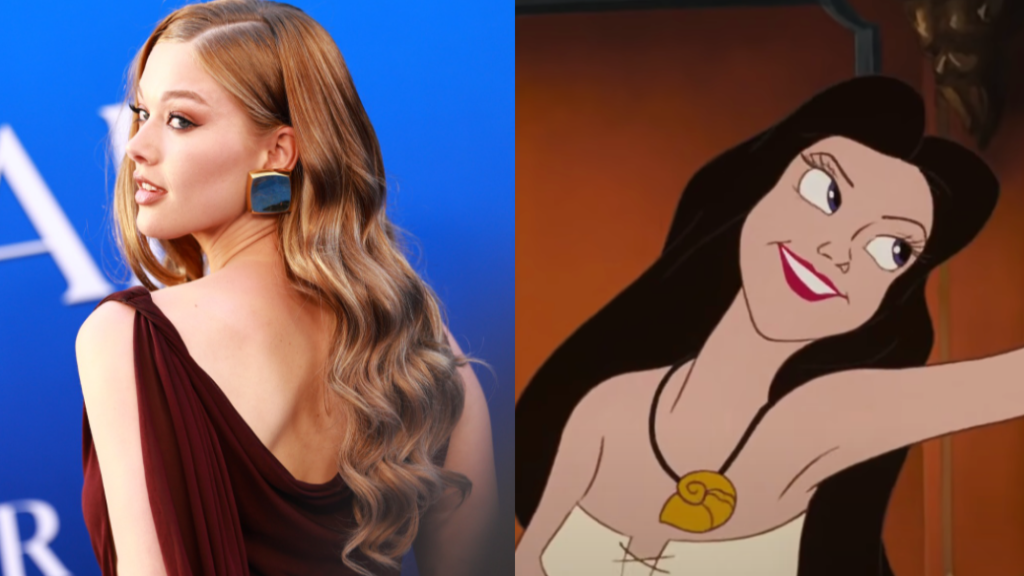
    And can we take a moment to appreciate Jessica Alexander as Vanessa—Ursula’s glamorous alter ego? She nailed the perfect mix of beauty and menace. As for our beloved sidekicks—Sebastian, Scuttle, and Flounder—I know their realistic CGI designs divided fans, but I found them charming in their own quirky way. “The Scuttlebutt,” their new musical number, might not be for everyone, but I thought it was hilarious and delightfully chaotic—exactly what a kids’ movie moment should be.

    Credit: Disney

    Javier Bardem as King Triton was another pleasant surprise. I wasn’t sure how I’d feel seeing the No Country for Old Men star as Ariel’s father, but he brought a tenderness and quiet strength that made Triton feel more human. I also loved the added backstory—learning that Ariel’s mother was killed by a human gave their conflict much more weight. Oh, and discovering that Ursula and Triton are siblings! Genius.

    Speaking of Ursula, Melissa McCarthy played the role of the evil sea witch. She brought some comedy to the role, and I thought she did a great job paying homage to the original, but I didn’t think she added too much besides some funny moments.

    Credit: Disney

    All in all, Disney’s The Little Mermaid live-action remake was everything I hoped for and more—a love letter to the original, but with a bold, inclusive twist for a new generation. And I’m clearly not the only one who feels this way—it’s sitting at an impressive 94% audience rating on Rotten Tomatoes.

    If you haven’t seen it yet, trust me: grab some popcorn, hum along to “Part of Your World,” and let yourself be swept away.

    Because sometimes, magic really does happen under the sea. 🐚✨


  • A Little Disney Magic in My Kitchen: Tiana’s Beignets ✨

    A Little Disney Magic in My Kitchen: Tiana’s Beignets ✨

    If you’ve ever seen The Princess and the Frog, you’ll remember that irresistible scene — the one where Tiana’s beignets have everyone swooning. “Oh, Tia, you are bonafide genius. I’m gonna need about five hundred of your man-catching beignets for my ball tonight!” That line never fails to make me smile… and crave something warm, golden, and covered in powdered sugar.

    So when I found out that Disney actually released Tiana’s beignet recipe, you’d better believe I was in the kitchen faster than you can say “New Orleans.” I’m no professional baker — just a girl who loves a cozy kitchen moment — but this recipe was surprisingly simple to follow and turned out absolutely delicious.

    There was one tiny hiccup along the way (because what’s baking without a little chaos, right?). My vegetable shortening didn’t mix quite as smoothly as I’d hoped. I used Great Value this time, but next round I’ll be trying Crisco to see if it gives the dough that perfect, fluffy texture Tiana herself would approve of.

    When the beignets came out of the oil — golden, pillowy, and dusted with a snowy layer of powdered sugar — I felt this unexpected wave of joy and nostalgia. There’s just something about Disney magic that makes its way into real life when you least expect it. I even have a framed photo of Tiana in my kitchen as a little reminder to chase dreams, work hard, and enjoy the sweet things in life (literally and figuratively).

    If you haven’t tried this recipe yet, I can’t recommend it enough. It’s an easy, cozy afternoon project — best enjoyed with a hot cup of coffee and maybe a Disney soundtrack playing in the background. And if you do give it a go, I’d love to hear how it turns out for you!

    Here’s to channeling our inner Tiana — mixing, frying, and dreaming big — one delicious beignet at a time. 💛✨

  • The Royal Conversation We Needed: My Thoughts on Oprah’s Interview with Meghan & Harry 👑✨

    The Royal Conversation We Needed: My Thoughts on Oprah’s Interview with Meghan & Harry 👑✨

    When Oprah sits down for a tell-all, you know it’s going to be good. But when it’s Meghan, Duchess of Sussex, and Prince Harry across from her? Let’s just say — this wasn’t your average Sunday night interview.

    I’ll admit, I wasn’t sure if I wanted to watch at first. But as a biracial Black woman, curiosity (and maybe a little hope) got the better of me. And I’m so glad it did. From the moment the conversation began, I found myself nodding along, relating to Meghan in ways I didn’t expect. It was raw, vulnerable, and—finally—real.

    This wasn’t just a royal chat over tea. It was an unfiltered look into the experiences of two people navigating love, identity, and impossible expectations under the world’s microscope. Here are a few moments that truly stuck with me.


    💬 The Conversation About Archie’s Skin Tone

    When Meghan revealed that there had been “concerns” within the royal family about how dark Archie’s skin might be, I froze. It was painful but not shocking. Harry confirmed it wasn’t Queen Elizabeth or Prince Philip, but still—the damage was done.

    As someone who has lived through the subtle (and sometimes not-so-subtle) weight of colorism, I understood exactly how loaded that question was. It’s not just curiosity — it’s a reflection of how deeply racism can run, even when it hides behind polite tones and royal titles. Some people see a mixed-race baby and automatically assign them an identity that fits their biases. That “in-between” space can be isolating — you’re too Black for some, too white for others, and somehow never just you.


    👑 The Title That Never Was

    Let’s talk about Archie’s missing title. Traditionally, royal children need the Queen’s approval to receive the titles of “Prince” or “Princess.” William’s children were granted theirs—Charlotte and Louis included—but Archie? Not so much. For the first royal child of color to be denied that recognition carried symbolism that couldn’t be ignored. Representation matters — even in a palace.

    As Meghan explained how painful that experience was, I couldn’t help but think about how many of us have felt “snubbed” in smaller, quieter ways. Those moments when you realize that, no matter how much you achieve, some people will still see you as “other.”

    Representation matters, especially when it’s within an institution that symbolizes so much tradition and visibility. It was a subtle but loud message, and one that didn’t go unnoticed.


    📸 The Photo That Never Happened

    Remember the iconic royal baby debut outside the hospital? Meghan and Harry didn’t get that moment. I had assumed they opted out for privacy reasons—but no. Meghan revealed they were not offered the opportunity.

    That stung. Because those first photos aren’t just about the royal tradition; they’re about belonging. About being seen.


    📰 Harry’s Wake-Up Call on Racism

    One of the most powerful parts of the interview was hearing Harry admit he didn’t fully understand racial bias until he experienced it alongside Meghan. It reminded me of how deeply embedded privilege can be—even among those who think they “get it.”

    Oprah brilliantly contrasted media coverage between Meghan and Kate—where Kate was praised for eating avocado toast, and Meghan was vilified for it. It was such a clear example of how bias quietly works its way into everyday narratives.


    💔 “Megxit” and Moving On

    When the couple decided to step back from royal duties, they weren’t trying to rebel—they were trying to breathe. Harry clarified that he had spoken with the Queen in advance, though later, the palace’s response suggested otherwise.

    Hearing them describe losing their security and being cut off financially, while still facing intense scrutiny, made me realize how heavy their reality was. Meghan’s candidness about her mental health struggles was heartbreaking—but it also showed so much strength.


    ✨ Why It Matters

    Watching this interview felt like watching a cultural shift happen in real-time. It was uncomfortable, necessary, and strangely healing.

    Sharing your truth, especially when the world wants you silent, is a radical act. Meghan and Harry’s honesty reminded me of how vital it is to have these conversations — even when they challenge the systems we’ve been taught to respect.

    Oprah handled it with the grace and gravity only she can bring, creating space for hard but necessary conversations. And watching it all unfold, I couldn’t help but think of Princess Diana — how her legacy of honesty and compassion continues through her son and his family.

    For me, this interview wasn’t just about the royals. It was about the universal need to be seen, heard, and understood — no matter where you come from. It was about resilience, representation, and the beauty of reclaiming your story.

    And while the royal family might not change overnight, one thing’s for sure: the world is listening.


  • 🍷 My First Impressions of the New 90 Day Fiancé Season

    🍷 My First Impressions of the New 90 Day Fiancé Season

    Warning: Spoilers ahead for the first episode of 90 Day Fiancé!

    Sunday nights are officially back to being my favorite night of the week — thank you, TLC! 🙌 I swear, they deserve a medal for still managing to find couples for us to obsess over during a pandemic. My little ritual has become sacred at this point: dinner, a glass of wine, and the glorious chaos that is 90 Day Fiancé.

    So let’s dive right into my first impressions of this new season’s cast of lovebirds (and trainwrecks 😂).


    💔 Jovi & Yara

    Oof. My first impression of Jovi? Not great, y’all. He gives off major immature vibes and seems completely unprepared for a serious relationship. When he started bragging about his “free spirit” lifestyle and stripper escapades, I couldn’t roll my eyes hard enough. 🙄

    And then — the airport pickup. Imagine flying 30 hours to see your man, and he gets mad because you don’t want to go sightseeing immediately? Boy, please. Common sense, where you at? I’m rooting for Yara, but something tells me this one’s going to be rocky.

    Image from Screenrant

    🐄 Brandon & Julia

    Ohhh my gosh, where do I even start?! Brandon lives with his parents… on a farm… and brings Julia, a gogo dancer from the city, to live there too. This has all the makings of a beautiful disaster.

    From his mom setting him up on a dating site (yes, really) to his $10,000 credit card debt and his mom calling a gynecologist for Julia — I can’t! 😂 I totally get why his mom is concerned, but whew… this situation is already giving me secondhand stress. Buckle up, Julia.

    Image from PEOPLE

    😒 Mike & Natalie

    Image from RealityTVWorld

    Does Mike even like Natalie? I honestly can’t tell. He seems about as excited as a soggy piece of toast. The man only lights up when he’s cuddling his cat — which, honestly, same, but still.

    If there’s zero enthusiasm now, I’m not sure how this is going to work out long-term. Someone get this man a cup of coffee and a reason to smile!


    🔥 Rebecca & Zied

    Image from Heavy.com

    Ah yes, Rebecca and Zied — back again for more chaos (and yes, I’m here for it). First off, Rebecca’s new job at Joella’s Hot Chicken has me curious — I’d 100% go through that drive-thru just to say, “Hey, aren’t you from 90 Day Fiancé?” 😂

    But oh boy, the drama’s already brewing. They’re staying with Rebecca’s daughter and her daughter’s boyfriend… and Zied is not thrilled about that. Something tells me this household’s about to turn into a full-on reality show within a reality show.


    💞 Tarik & Hazel

    Image from ChampionDaily

    We only got a small glimpse of Tarik and Hazel this episode, but color me intrigued. Hazel’s bisexual and looking for a girlfriend — yes, you read that right — while being engaged to Tarik. I can already tell this season is going to bring some big conversations (and probably some major drama).


    🍿 Final Thoughts

    Y’all, I am so ready for this season. Between farm drama, cultural clashes, awkward family moments, and questionable decision-making — this is peak 90 Day Fiancé content.

    It’s my favorite Sunday night ritual: dinner, wine, and pure TLC chaos. 🥂 I’d love to know what you think of the new cast! Who’s your favorite so far? Who’s driving you nuts already? Let’s chat in the comments — I need to know I’m not the only one yelling at my TV! 😂


  • TLC’s I Love a Mama’s Boy: A Wild Ride I Wasn’t Ready For

    TLC’s I Love a Mama’s Boy: A Wild Ride I Wasn’t Ready For

    Wow — where do I even begin? As a longtime fan of TLC (yes, I’m one of those people who plans my Sunday nights around 90 Day Fiancé), I was curious when I Love a Mama’s Boy premiered. It falls right between 90 Day Fiancé and Pillow Talk, taking over that prime slot once held by Smothered and Unexpected. And let me tell you — those shows suddenly seem tame after this one!

    From the very first episode, I was both fascinated and slightly horrified. The dynamic between these mothers and sons is… intense. Many of the moms seem genuinely unaware of how unhealthy their attachments have become, and I found myself thinking, maybe therapy wouldn’t be such a bad idea here. Meanwhile, the girlfriends and fiancées? My heart truly goes out to them. The emotional tug-of-war they face would test anyone’s patience!

    It’s wild watching how differently these men treat their partners versus their mothers. There’s this strange mix of aloofness and blind devotion that honestly makes me want to yell at the screen — in the best, most reality-TV-loving way possible.

    By the halfway mark, I was squirming in my seat. Some moments were so cringe-worthy, I had to change the channel for a breather (and maybe pour another glass of wine). But as uncomfortable as it gets, I Love a Mama’s Boy is addictive in that classic TLC way — messy, dramatic, and impossible to look away from.

    Whew, baby. I can’t imagine being in those women’s shoes! I truly hope everyone involved finds some balance, therapy, and maybe just a little healthy distance.

    Have you watched I Love a Mama’s Boy yet? It’s definitely not your average love story — and I’d love to know what you think. Would you stick around for the drama, or run for the hills?


  • First Presidential Debate of 2020

    First Presidential Debate of 2020

    Here are some memorable moments:

    “I don’t wear masks like him. Every time you see him, he’s got a mask. He could be speaking 200 feet away from them, and he shows up with the biggest mask I’ve ever seen.”

    –President Trump

    “By the way, I brought back Big Ten football. It was me, and I’m very happy to do it and the people of Ohio are very proud of me.”

    –President Trump

    “Mr. President, please stop.”

    –Chris Wallace

    “He wouldn’t know a suburb unless he took a wrong turn.”

    –Former Vice President Biden

    “Will you shut up, man.”

    –Former Vice President Biden

    On a more serious note, I am appalled by the divisive rhetoric spewed by President Trump. This harmful and toxic pattern needs to come to a stop. If you would like to locate a fact-checker for the debate, please click here. For a general fact-checker on candidates, click here.

    Here is some information about how to vote in the upcoming November election. Together, we have the power to make a difference.

    Step 1: Be sure to register to vote. Check vote411.org for instructions on voting and visit sos.iowa.org for instructions in Iowa. https://www.ballotready.org/ is also an amazing resource.

    Step 2: After you’re registered to vote make sure you know about the different ways to cast your ballot. One great way is absentee voting. Check vote411.org for instructions on voting and visit sos.iowa.org for instructions in Iowa. You can also check out https://www.ballotready.org/

    Step 3: Understanding your ballot and voting in elections are forms of civic engagement. Voting is an opportunity to shape your community and take care of its pressing needs. Below are examples of down-ballot (state or local) seats you may see—research all the candidates on your ballot by visiting vote411.org or https://www.ballotready.org/


    Related Posts:
    How Can I Help?
    August 2020